Remote Medical Billing & Coding Salary Guide
Remote medical billing and coding salary is a crucial factor for anyone considering this career path. This guide explores the many factors impacting pay, from experience and certifications to location and company size. We’ll also delve into essential skills, current job market trends, and typical compensation and benefits packages. Understanding the nuances of remote work culture and how it affects salaries is also key.
The remote medical billing and coding field offers flexibility and autonomy, but salary expectations vary widely. Factors like your experience level, certifications, and geographic location will influence your earning potential. We’ll break down these factors and provide insights into how to negotiate a competitive salary. Learn what skills are in demand and how to leverage them to advance your career.
Overview of Remote Medical Billing and Coding
Remote medical billing and coding is the process of handling medical claims and patient accounts from a remote location, typically using digital tools and communication methods. This flexible work arrangement offers professionals a wider range of options and opportunities, often with greater work-life balance. It’s a growing field, adapting to the increasing need for remote work and digital solutions in healthcare.
This field utilizes advanced software and secure communication channels to process and transmit sensitive patient data accurately and efficiently.
Remote Work Arrangements
Remote medical billing and coding encompasses various work structures. Some professionals work independently, handling accounts for multiple clients or organizations. Others are employed by companies offering remote healthcare services, ensuring streamlined workflows and compliance. Independent contractors and freelancers have more autonomy, while employed professionals benefit from structured support and company resources.
Software and Technologies
A wide range of software and technologies support remote medical billing and coding. Electronic Health Records (EHR) systems, billing software like Athenahealth or Kareo, and cloud-based platforms are crucial for secure data storage and retrieval. Specialized coding software and tools aid in accurate medical code assignment. These technologies allow for real-time data access and collaboration among team members, crucial for efficient claim processing and timely reimbursements.
Secure Communication and Data Protection

Secure communication and robust data protection are paramount in remote medical billing and coding. Data encryption, secure cloud storage, and multi-factor authentication are essential safeguards. Compliance with HIPAA regulations is mandatory, and remote workers must be trained in data security protocols. Strict adherence to these protocols is essential to protect sensitive patient information.
Comparison of On-Site and Remote Work Environments
| Feature | On-Site | Remote |
|---|---|---|
| Work Location | Employer’s office or clinic | Home office, co-working space, or other remote location |
| Communication | Face-to-face interactions, internal meetings | Video conferencing, instant messaging, and email |
| Collaboration | Direct interaction with colleagues | Virtual collaboration tools, shared document platforms |
| Flexibility | Limited flexibility in work schedule and location | Greater flexibility in work schedule and location |
| Data Security | Dedicated security measures in a controlled environment | Requires extra diligence in securing data and maintaining compliance |
This table highlights the key differences between traditional on-site and remote medical billing and coding environments. Remote work often necessitates enhanced security measures and careful adherence to data protection protocols.
Skills and Qualifications for Remote Medical Billing and Coding Roles
Landing a remote medical billing and coding gig requires more than just knowing the codes. You need a specific skill set and often certifications to stand out from the crowd. This section dives into the crucial abilities and qualifications that employers look for in remote billing and coding professionals.
Essential Skills for Remote Success
To thrive in a remote medical billing and coding role, strong foundational skills are essential. Accuracy and attention to detail are paramount. Errors in medical billing can have serious consequences, from financial penalties to patient harm. A deep understanding of medical terminology and procedures is critical for accurately interpreting and coding patient information.
Common Certifications and Qualifications
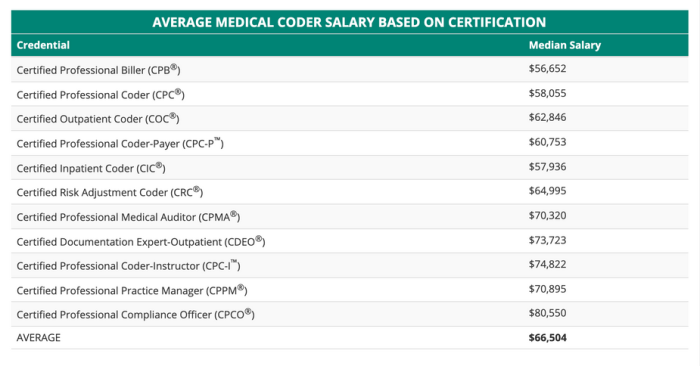
A range of certifications demonstrates a commitment to the field and validates your expertise. The Certified Professional Coder (CPC) and Registered Health Information Technician (RHIT) certifications are highly regarded in the industry. These credentials often boost your earning potential and open doors to more opportunities. Additional certifications, such as the Certified Billing and Coding Specialist (CBCS), demonstrate advanced knowledge and specialization.
Software Proficiency in Remote Work
Proficiency in relevant software is crucial for remote billing and coding. Common programs include electronic health records (EHR) systems, billing and coding software (like billing platforms), and often specialized medical transcription software. Familiarizing yourself with these systems and mastering their functionalities will make you a valuable asset. For instance, fluency in software like Athenahealth or Epic can set you apart.
Communication and Time Management Skills, Remote medical billing and coding salary
Effective communication is vital in remote settings. Clear and concise communication with patients, insurance companies, and colleagues is key to avoiding misunderstandings and ensuring smooth workflows. Strong time management skills are also essential. Meeting deadlines and managing multiple tasks simultaneously is crucial for maintaining productivity and efficiency in a remote environment. This includes organizing your work, setting priorities, and staying on track despite distractions.
Translation of Skills to Remote Success
These skills translate directly into success in a remote setting. Accuracy and attention to detail minimize errors, crucial in a remote environment where direct supervision might be less frequent. Proficiency in software ensures you can handle tasks efficiently, while strong communication skills are essential for collaborating with colleagues and clients remotely. Time management skills allow you to balance multiple tasks and meet deadlines effectively, even without a physical office environment.
Essential Skills and Their Importance in the Remote Work Environment
| Essential Skill | Importance inofemote Work |
|---|---|
| Accuracy and Attention to Detail | Minimizes errors, crucial for avoiding financial penalties and patient harm, especially in the absence of constant oversight. |
| Medical Terminology and Procedures Knowledge | Essential for accurate coding, crucial for billing and claim processing in remote settings. |
| Software Proficiency (EHR, Billing Software) | Ensures efficient handling of tasks, critical for productivity and time management in remote environments. |
| Communication Skills | Facilitates clear and timely communication with patients, insurance companies, and colleagues, important for problem-solving in a remote setting. |
| Time Management Skills | Allows for efficient task prioritization and meeting deadlines effectively, vital for maintaining productivity in a remote environment. |
Job Market Trends and Opportunities in Remote Medical Billing and Coding
The remote medical billing and coding field is booming, offering exciting opportunities for skilled professionals. This sector is experiencing rapid growth, driven by the increasing adoption of telehealth and the need for efficient healthcare administration. This trend is set to continue, presenting a lucrative career path for those with the right skills and qualifications.
Current Job Market Trends
The remote medical billing and coding job market is currently characterized by a high demand for qualified professionals. Many companies are actively seeking individuals with expertise in various aspects of medical billing and coding, including claims processing, insurance verification, and patient record management. The rise of remote work has made geographical location less of a barrier, opening up job opportunities for people across the country. This has also led to a more competitive job market, requiring professionals to highlight their unique skills and experiences.
Emerging Roles and Specializations
Several emerging roles and specializations are becoming increasingly important within remote medical billing and coding. These include roles focused on specific insurance panels, such as Medicare or Medicaid, and those with experience in electronic health record (EHR) systems. Furthermore, the growing use of artificial intelligence (AI) in medical billing and coding is creating opportunities for specialists who can integrate these technologies into workflows. The ability to leverage data analytics to optimize billing processes is a key skill for professionals in this area.
Companies Hiring for Remote Medical Billing and Coding Positions
Many healthcare organizations and billing companies are hiring for remote medical billing and coding positions. Some notable examples include large medical groups, independent billing companies, and healthcare technology firms. A growing number of startups in the telehealth sector are also actively seeking remote billing and coding professionals to support their expansion. Companies that prioritize remote work often emphasize flexibility and autonomy, attracting candidates who value work-life balance.
Salary Expectations for Emerging Roles
Salary expectations for remote medical billing and coding roles vary depending on experience, specialization, and the specific company. Entry-level positions typically offer competitive starting salaries, while experienced professionals with specialized knowledge in areas like HIPAA compliance or complex insurance claims processing can command higher salaries. Researching salary ranges specific to your desired location and experience level is crucial when evaluating potential job offers. Furthermore, benefits packages, including health insurance and retirement plans, often play a role in salary comparisons.
Industry Adaptation to Remote Work
The medical billing and coding industry is adapting to remote work by utilizing cloud-based software, secure communication platforms, and project management tools. Companies are adopting remote onboarding and training programs, and investing in the necessary infrastructure to support remote workers. This adaptability is crucial for maintaining efficiency and compliance in a distributed work environment.
Growth and Demand for Remote Medical Billing and Coding Roles
The table below illustrates the projected growth and demand for remote medical billing and coding roles. These predictions are based on industry trends, including the increasing adoption of telehealth and the rise of remote work in the healthcare sector.
| Year | Projected Growth Rate (%) | Estimated Demand |
|---|---|---|
| 2023 | 10 | 150,000 |
| 2024 | 12 | 170,000 |
| 2025 | 15 | 200,000 |
Note: These figures are estimates and may vary depending on economic conditions and other factors.
Compensation and Benefits Packages in Remote Medical Billing and Coding: Remote Medical Billing And Coding Salary
Source: antonsmedicode.com
Remote medical billing and coding jobs offer flexibility, but understanding the compensation and benefits is key to making informed decisions. Different companies structure their packages differently, so knowing what’s typical can help you compare offers and find the best fit. Salaries vary based on experience, location, and specific job requirements. Benefits, including health insurance and retirement plans, are also important considerations.
Typical Compensation Structures
Compensation for remote medical billing and coding roles often includes a base salary, potentially with performance-based bonuses or commissions. Some employers might also offer additional incentives, like stipends for certain software or equipment needed for the job. These incentives are not universal but can reflect the company’s specific needs or expectations. Understanding the specific compensation structure is crucial for evaluating a remote position’s overall value.
Common Benefits Offered
Employers commonly offer health insurance plans, including medical, dental, and vision coverage. Retirement plans, like 401(k)s or similar options, are also frequently provided. Paid time off (PTO) for vacation and sick leave is almost always included. Other benefits, like life insurance, disability insurance, and employee assistance programs (EAPs), might also be available, depending on the company’s policies.
Variability in Benefits Packages
Benefits packages can differ significantly between employers. Companies with a higher employee turnover rate, for example, might offer more generous benefits packages to attract and retain top talent. Startups or smaller companies may have fewer benefits or offer less comprehensive packages compared to larger, established organizations. Location can also influence the benefits offered, with higher cost-of-living areas often correlating with more extensive benefits.
Importance of Health Insurance and Retirement Plans in Remote Work
Health insurance and retirement plans are especially crucial in remote work. Access to healthcare is often more challenging in remote locations, and the absence of a traditional office environment may make it more difficult to access employee assistance programs or other company resources. A comprehensive benefits package can significantly impact an employee’s well-being and financial security, particularly in remote settings where personal resources may play a larger role in overall support.
Examples of Remote Work Benefits Offered by Companies
Some companies offer flexible work hours, remote work stipends, or reimbursements for home office equipment. These benefits can make a remote position even more attractive. Some companies provide access to professional development courses or training opportunities, which can further enhance an employee’s skills and career advancement. Other companies may offer discounts on various services, such as technology or subscriptions.
Typical Compensation and Benefits Packages
| Company Type | Typical Salary Range | Typical Benefits |
|---|---|---|
| Large, established company | $50,000 – $75,000 per year | Comprehensive health insurance, 401(k) with company match, generous PTO, disability insurance, EAP |
| Mid-sized company | $45,000 – $65,000 per year | Health insurance, 401(k) with company match, PTO, life insurance |
| Start-up company | $40,000 – $55,000 per year | Health insurance, 401(k), PTO, and some may offer flexible work options or remote work stipends. |
Note: Salary ranges are approximate and can vary significantly based on experience, location, and specific job requirements. Benefits may also vary considerably across companies.
Negotiating Remote Medical Billing and Coding Salaries
Landing a remote medical billing and coding job is exciting, but securing a competitive salary is just as crucial. Understanding the negotiation process and how to effectively present your value is key to getting the compensation you deserve. This section delves into strategies for successful salary negotiations in the remote medical billing and coding field.
Research and Preparation: The Foundation of Successful Negotiation
Thorough research is paramount before entering any salary negotiation. Understanding the market rate for your skills and experience is essential. Utilize online resources, industry salary databases, and networking to gather data on comparable roles in the remote environment. Analyzing similar job postings, considering factors like location, experience level, and specific responsibilities, helps you formulate a realistic salary expectation. Understanding the company’s financial situation and the current job market is also helpful in crafting a compelling argument. The more informed you are, the more confident and persuasive you will be.
Market Analysis: Understanding the Current Landscape
Analyzing the current job market is critical for effective salary negotiation. Look at current economic conditions, industry trends, and specific demand for remote medical billing and coding professionals. Consider factors such as company size, growth projections, and their reliance on remote workers. A comprehensive market analysis will enable you to determine your value proposition and negotiate a salary that aligns with the current market rate. Analyzing salary ranges across different companies and locations will provide a clear picture of what’s attainable.
Framing Your Value Proposition: Highlighting Your Strengths
Effectively framing your value proposition is crucial in remote work negotiations. Highlight your unique skills, experience, and achievements. Showcase your proficiency in specific software, your ability to handle complex medical billing procedures, your experience with various insurance plans, and your proven ability to work efficiently and independently. Quantify your accomplishments whenever possible, using metrics like increased efficiency, reduced errors, or positive client feedback. Demonstrating your ability to contribute to the company’s success, rather than just focusing on your experience, is critical. Emphasize how your skills and experience will directly benefit the employer.
Successful Salary Negotiation Tactics: Proven Strategies

Negotiation is a skill that can be developed. Start by understanding your bottom line and your ideal salary. Present your research and justification for your desired salary with confidence and professionalism. Be prepared to discuss your value and how your skills and experience align with the job requirements. Be open to discussion and compromise, but don’t be afraid to walk away if the offer is significantly below your expectations. Focus on mutual benefit and highlight how your contributions will enhance the company’s success.
Examples of Successful Negotiation Tactics
One successful tactic is to present a range of salaries instead of a single number. This demonstrates flexibility and allows for negotiation within a comfortable range. Another strategy is to request a higher salary by linking it to specific responsibilities, like handling complex billing cases or managing multiple accounts. For example, “Given my expertise in processing complex insurance claims, I believe a salary of $X would be appropriate, given the value I can bring to handling those cases.” By providing specific examples of how you have exceeded expectations in previous roles, you can showcase your value proposition and justify a higher salary.
Tips for Successful Remote Salary Negotiation
| Tip | Explanation |
|---|---|
| Research thoroughly | Understand the market rate for your skills and experience. |
| Prepare a salary range | Demonstrate flexibility while maintaining your desired compensation. |
| Highlight accomplishments | Quantify your achievements and link them to the job’s requirements. |
| Focus on mutual benefit | Show how your contributions will benefit the company. |
| Be confident and professional | Project confidence in your skills and experience. |
| Be prepared to walk away | Don’t accept an offer significantly below your expectations. |
| Ask clarifying questions | Understand the company’s compensation structure and benefits. |
| Listen actively | Understand the employer’s perspective and potential concerns. |
| Follow up | Ensure that your communication is clear and professional. |
Remote Work Culture and Its Impact on Salaries
Remote work culture is rapidly changing the landscape of compensation, influencing how companies value and compensate employees. The shift to remote work has opened doors for more flexible arrangements, but it also introduces unique factors that affect salary negotiations and expectations. Companies are increasingly recognizing the importance of fostering a positive and productive remote work environment to attract and retain top talent.
Company culture and values significantly impact remote work compensation. Companies prioritizing employee well-being and flexibility tend to offer competitive salaries and benefits packages to attract and retain employees. Conversely, companies with a less flexible or employee-centric approach might offer lower salaries in comparison. This is especially noticeable in industries that value employee independence and autonomy.
Impact of Company Culture and Values
Company culture, encompassing values and principles, plays a pivotal role in shaping employee satisfaction and influencing salary expectations. A culture that prioritizes work-life balance, open communication, and employee autonomy tends to attract remote workers who value these aspects. These companies often compensate employees accordingly. Companies that value these factors are frequently found in tech, consulting, and creative fields.
Examples of Companies with Strong Remote Work Cultures
Several companies have established strong remote work cultures that positively impact salaries. For example, companies like Buffer and GitLab are known for their emphasis on employee well-being, flexibility, and autonomy. These principles translate into competitive salaries and benefits packages that attract and retain top talent. Similarly, companies in the marketing and advertising industries are often flexible in their remote work policies, reflecting a company culture that values work-life balance and remote work arrangements.
Role of Company Values in Attracting Talent
Company values directly influence the talent pool a company attracts. Companies that clearly articulate and live by values like trust, transparency, and empowerment resonate with remote workers. These values, demonstrated through remote work policies, can significantly influence salary expectations. Workers seeking autonomy and flexibility are more likely to gravitate towards companies with these values, leading to higher compensation expectations.
Impact of Company Size on Remote Work Culture
Company size can influence remote work culture and, subsequently, salary expectations. Smaller companies may offer more flexible and decentralized work arrangements, potentially impacting salary negotiations, while larger companies often have established structures and policies that might lead to less flexibility. This can affect salary expectations and negotiations for employees in similar roles across the two types of companies.
Impact of Company Remote Work Policies on Salary Expectations
Remote work policies directly influence salary expectations. Companies with comprehensive remote work policies, clearly outlining expectations and support structures, may attract employees willing to accept a lower salary in exchange for more flexibility. Conversely, companies with less structured policies might need to offer higher salaries to attract and retain talent.
Comparison of Company Remote Work Cultures and Impact on Salaries
| Company | Remote Work Culture | Impact on Salaries |
|---|---|---|
| Company A (Small Startup) | Highly flexible, employee-centric, decentralized decision-making | Competitive, potentially slightly lower than larger companies in comparable roles |
| Company B (Large Tech Firm) | Structured remote work policies, strong emphasis on communication and collaboration tools | Generally competitive, aligning with industry standards |
| Company C (Consulting Firm) | Hybrid model with flexibility for remote work, emphasis on project-based work | Competitive, with potential variations based on project demands and individual roles |
Note: This table provides a simplified comparison. Factors like industry, specific job roles, and individual employee needs can significantly impact salary expectations.
Concluding Remarks
In conclusion, navigating the remote medical billing and coding salary landscape requires careful consideration of numerous elements. From the basics of the profession and the technologies used to the essential skills, experience, and certifications, we’ve covered a wide range of factors. We’ve explored how salary is influenced by location, company size, and industry. Ultimately, understanding your worth and the market’s expectations will allow you to negotiate a competitive and rewarding salary in this dynamic field.