QuickBooks Remote Bookkeeper Your Guide
QuickBooks remote bookkeeping is a growing field, offering flexibility and cost-effectiveness for businesses of all sizes. It’s about managing your finances efficiently from anywhere, leveraging the power of cloud-based accounting software. This guide will walk you through the essentials, from setting up remote bookkeeping services to hiring the right person and maximizing QuickBooks’ features for remote work.
We’ll explore the advantages of remote bookkeeping, comparing it to in-house options, and delve into the specifics of QuickBooks, a leading software solution for this model. You’ll discover how to find and hire a qualified remote bookkeeper, plus best practices for communication, data security, and client relations. We’ll also discuss various tools and software to enhance your remote bookkeeping experience.
Introduction to Remote Bookkeeping
Remote bookkeeping is a service that handles financial record-keeping for businesses and individuals from a remote location. This often involves tasks like recording transactions, reconciling accounts, preparing financial statements, and managing payroll. This arrangement offers significant benefits for both clients and providers.
This service is becoming increasingly popular due to the growing trend of remote work and the flexibility it provides. Businesses and individuals can access high-quality bookkeeping support without the overhead of hiring and managing in-house staff. Understanding the advantages and responsibilities involved in remote bookkeeping is crucial for making informed decisions.
Advantages of Hiring a Remote Bookkeeper
Hiring a remote bookkeeper offers numerous advantages. Reduced overhead costs are a key benefit, as you avoid the expenses associated with office space, utilities, and employee salaries. Remote bookkeeping often results in greater flexibility, allowing businesses to adapt to changing needs without the constraints of a fixed schedule.
Typical Responsibilities of a Remote Bookkeeper
A remote bookkeeper handles a range of tasks crucial for financial management. These typically include entering and classifying transactions, reconciling bank statements, preparing financial reports (such as balance sheets and income statements), and managing payroll. Some bookkeeping services may also involve preparing tax documents, coordinating with clients, and managing financial data.
Comparison of In-House vs. Remote Bookkeeping
This table highlights key differences between in-house and remote bookkeeping services.
| Feature | In-House Bookkeeping | Remote Bookkeeping |
|---|---|---|
| Cost | Higher initial investment due to salaries, benefits, office space, and equipment. Ongoing costs include employee benefits, taxes, and potential office overhead. | Lower initial investment. Typically involves a monthly subscription or project-based fee. Reduced overhead costs. |
| Flexibility | Limited flexibility, often tied to fixed hours and office schedules. Difficult to adapt to sudden changes in workload. | High flexibility, allowing for adaptable scheduling and quicker response times to urgent tasks. Remote bookkeepers can often work outside traditional business hours. |
| Scalability | Scaling up in-house bookkeeping requires significant investment in additional staff and resources. | Scaling up remote bookkeeping is generally easier, often achievable by adding more bookkeepers or adjusting project scope without significant upfront investment. |
| Accessibility | Limited to the geographical location of the business. | Wider accessibility to qualified professionals globally. Businesses can tap into a wider pool of talent regardless of geographical limitations. |
QuickBooks Software for Remote Bookkeeping

Source: invedus.com
QuickBooks is the go-to accounting software for many small businesses, and its importance in remote bookkeeping is undeniable. Its user-friendly interface and robust features make it ideal for managing finances from anywhere with a reliable internet connection. This allows bookkeepers to efficiently handle client tasks and improve overall productivity.
The versatility of QuickBooks extends beyond basic accounting. It allows for detailed tracking of income and expenses, streamlining financial reporting and analysis. This makes it an invaluable tool for remote bookkeepers, facilitating efficient data management and insightful financial reporting, especially for clients who need consistent, up-to-date financial information.
QuickBooks Versions and Remote Suitability, QuickBooks remote bookkeeper
Different QuickBooks versions cater to various business needs and sizes. Understanding these variations is crucial for selecting the right version for remote bookkeeping. QuickBooks Desktop, while powerful, typically requires local installation and might not offer the same level of seamless remote access as QuickBooks Online. QuickBooks Online, conversely, is cloud-based, making it exceptionally well-suited for remote work. Its accessibility from multiple devices and locations, coupled with robust security measures, makes it a premier choice for remote bookkeeping services.
QuickBooks Features for Remote Access and Collaboration
QuickBooks offers several features that streamline remote bookkeeping. These tools empower bookkeepers to collaborate effectively with clients and streamline the entire process.
- Remote Access: QuickBooks Online provides secure remote access through a web browser. This allows bookkeepers to log in from anywhere with an internet connection, accessing client data and making necessary adjustments. This is a critical feature for facilitating timely and efficient financial management.
- Online Collaboration: Collaboration features, such as shared views and task management, enable clients to view the progress of their bookkeeping and provide input directly through the software. This collaborative environment promotes transparency and trust, essential for successful remote partnerships.
- Data Security: Robust security measures, including multi-factor authentication and encryption, protect client data. This is a paramount concern for remote bookkeeping, and QuickBooks prioritizes this by utilizing the latest security protocols. Security measures ensure data integrity and peace of mind for both bookkeepers and clients.
QuickBooks Online in Remote Bookkeeping
QuickBooks Online is a game-changer for remote bookkeeping. Its cloud-based nature enables bookkeepers to access client data anytime, anywhere, boosting efficiency and responsiveness. It eliminates the need for physical file sharing and facilitates real-time collaboration. This, in turn, reduces delays and allows for quicker resolution of any financial queries.
QuickBooks Features for Remote Bookkeeping
| Feature | Description | Benefits |
|---|---|---|
| Remote Access | Ability to access QuickBooks data and perform tasks from various locations using a web browser. | Increased flexibility and efficiency, enabling bookkeepers to work from anywhere with an internet connection. |
| Online Collaboration | Features that allow multiple users to access and work on the same data simultaneously, enabling seamless communication and collaboration between bookkeepers and clients. | Improved transparency and communication, allowing for faster problem-solving and decision-making. |
| Data Security | Robust security measures, such as encryption and multi-factor authentication, protect sensitive financial data. | Ensures the confidentiality and integrity of client information, crucial for maintaining trust and compliance. |
Finding and Hiring a Remote QuickBooks Bookkeeper: QuickBooks Remote Bookkeeper
Finding the right remote QuickBooks bookkeeper is crucial for the smooth operation of your business finances. A qualified bookkeeper can free up your time, ensuring accurate financial records and compliance with regulations. This section will guide you through the process of evaluating potential bookkeepers and hiring the right fit for your needs.
Hiring a remote bookkeeper requires a proactive and organized approach. Thorough screening and a clear understanding of your bookkeeping needs are essential to avoid costly mistakes and ensure long-term success.
Evaluating Potential Remote Bookkeepers
Thorough evaluation of potential remote bookkeepers is key to ensuring a good fit for your business. This involves assessing their skills, experience, and compatibility with your workflow.
- Skill Assessment: Check for experience with QuickBooks software, including versions relevant to your needs. Look for certifications or training courses completed. A strong understanding of accounting principles and financial reporting is essential. A portfolio of previous work or client testimonials can provide valuable insight into their capabilities.
- Experience Verification: Request details of past roles, responsibilities, and the size of businesses they’ve worked with. Quantifiable results, like how many clients they handled, or specific improvements they’ve made to financial reporting processes, are valuable indicators of experience.
- Communication Evaluation: Schedule a brief introductory call or video chat to assess their communication style and professionalism. Consider their responsiveness to questions and ability to articulate their understanding of bookkeeping tasks. This helps to ensure a smooth working relationship.
- References and Background Checks: Verify references from previous clients or employers. This process confirms their professional reputation and reliability. Background checks are crucial for identifying potential risks and maintaining the security of your financial data.
- Software Proficiency: Ensure the candidate is proficient in the QuickBooks version you use. Discuss their experience with specific features relevant to your business. For example, if you use inventory tracking, ensure they’re familiar with it.
Finding Qualified Remote QuickBooks Bookkeepers
Finding qualified candidates involves proactive search strategies. Networking, online job boards, and specialized bookkeeping platforms are effective avenues for finding potential bookkeepers.
- Online Job Boards: Utilize platforms like Indeed, LinkedIn, and specialized bookkeeping job boards. Post detailed job descriptions highlighting specific requirements and expectations. Target your search based on the desired skills and experience.
- Professional Networking: Connect with accounting professionals and other business owners. Networking can lead to referrals and introductions to qualified remote bookkeepers. Attend industry events and participate in online communities.
- Bookkeeping Agencies: Partner with agencies that specialize in finding and vetting remote bookkeepers. These agencies can provide a curated list of qualified candidates.
- Freelance Platforms: Explore freelance platforms where bookkeepers often advertise their services. These platforms offer a range of options for finding talent.
Examples of Job Postings
Job postings should articulate the role’s responsibilities and expectations. Here are a few examples:
“Seeking a highly motivated and detail-oriented QuickBooks bookkeeper to manage the financial records of our growing e-commerce business. Experience with inventory tracking and online payment processing is a plus.”
“Remote QuickBooks Bookkeeper needed for a mid-sized manufacturing company. Responsibilities include accounts payable, accounts receivable, and general ledger maintenance. Must be proficient in QuickBooks Desktop and have at least 3 years of experience.”
“We are looking for a skilled QuickBooks Online bookkeeper to support our growing client base. Responsibilities include bank reconciliation, invoice processing, and client communication. Excellent communication and organizational skills are essential.”
Background Checks and Due Diligence
Background checks are essential for protecting your business’s financial data and reputation. Thorough due diligence involves verifying references, checking credentials, and confirming experience.
- Reference Checks: Contact references provided by the candidate to verify their professional reputation and work ethic.
- Background Verification: Conduct a background check to ensure the candidate’s suitability for handling financial information. Consider criminal background checks to mitigate potential risks.
- Contractual Agreements: Develop a clear and concise contract outlining responsibilities, payment terms, and confidentiality agreements. This safeguards both parties.
Creating a Job Description
A well-crafted job description attracts qualified candidates and ensures a clear understanding of expectations.
- Role Overview: Clearly state the job title, company, and location. Provide a concise overview of the role’s responsibilities and purpose.
- Responsibilities: List specific tasks and duties, like bank reconciliation, invoice processing, and general ledger maintenance. Include software proficiency requirements.
- Qualifications: Specify necessary experience, certifications, and technical skills. Highlight essential software proficiency.
- Compensation and Benefits: Detail the salary range and any additional benefits offered, such as health insurance or paid time off. Include payment frequency.
Remote Bookkeeping Best Practices
Remote bookkeeping offers flexibility and cost savings, but it requires careful attention to detail and clear communication. Effective remote bookkeeping relies on strong relationships with clients and established procedures to handle tasks efficiently and securely. By following best practices, bookkeepers can ensure smooth operations and build trust with their clients.
Common Challenges in Remote Bookkeeping
Remote bookkeeping presents unique challenges compared to in-office work. These challenges often involve communication breakdowns, difficulties in establishing clear expectations, and maintaining a strong connection with clients despite the distance. Maintaining consistent communication, using reliable tools, and establishing clear processes can mitigate these issues. Time zone differences can impact response times and scheduling, and inconsistent internet access can hinder progress.
Strategies for Effective Communication and Collaboration
Maintaining open communication is crucial for successful remote bookkeeping. Establish regular communication schedules with clients to address questions and concerns promptly. Utilize a combination of tools, such as email, video conferencing, and project management software, to ensure consistent and efficient communication. Scheduling regular check-ins, providing clear expectations, and promptly addressing client queries are vital for building strong client relationships. Use project management software to track tasks, deadlines, and client communication. This ensures transparency and allows for timely follow-up.
Best Practices for Data Security and Client Confidentiality
Protecting client data is paramount in remote bookkeeping. Use strong passwords, two-factor authentication, and encrypted communication channels to safeguard sensitive information. Employ a secure cloud storage system for client data and follow strict access controls. Regularly review and update security protocols to address emerging threats. Avoid sharing client information via public forums or unencrypted email. Implementing strong password policies and using secure storage solutions is essential for data security.
Procedures for Handling Client Questions and Concerns
Establish clear procedures for handling client questions and concerns. Provide clients with readily accessible contact information and response times. Develop a system for documenting all client interactions, including the issue, the resolution, and the date of resolution. Use a ticketing system or similar method to track client issues and ensure timely resolution. Maintaining a professional and helpful attitude while addressing concerns is vital.
Key Communication Tools for Remote Bookkeeping
Effective communication is essential for smooth remote bookkeeping operations. Different tools serve various purposes, and a combination of tools is often the most effective approach. This table articulates common communication tools and their benefits.
| Tool | Description | Benefits |
|---|---|---|
| Video Conferencing | Tools like Zoom or Google Meet allow real-time interaction, enabling face-to-face communication. | Facilitates clear explanations, immediate feedback, and stronger client relationships. |
| Project Management Software | Tools like Asana or Trello help organize tasks, deadlines, and communication within a project. | Improves task management, facilitates collaboration, and provides transparency on progress. |
| A reliable communication channel for written records and follow-ups. | Allows for documentation, facilitates asynchronous communication, and provides a record of interactions. |
Client Communication and Reporting
Keeping clients informed and satisfied is crucial for a successful remote bookkeeping business. Clear, consistent communication builds trust and allows clients to feel secure in your ability to manage their finances. Regular reporting ensures transparency and allows clients to understand the work you’re doing. This section details effective communication strategies and reporting methods.
Effective communication is more than just providing numbers; it’s about understanding your client’s needs and tailoring your approach accordingly. This involves actively listening to their concerns, proactively addressing questions, and providing updates in a way that’s easy for them to grasp.
Importance of Clear Communication

Clear communication is paramount to building trust and ensuring client satisfaction. It involves proactively addressing questions, offering timely updates, and tailoring your communication style to the specific needs of each client. This includes understanding their preferred communication methods and frequency of updates. A strong communication strategy fosters a positive client relationship, reducing misunderstandings and increasing the likelihood of future engagements.
Methods of Providing Reports and Updates
Several methods facilitate effective reporting and updates. Choosing the right method depends on your client’s preferences and the nature of the information being conveyed.
- Email Reports: A traditional and widely used method, email reports are suitable for conveying summarized data and detailed explanations. They allow for a permanent record of communication and are easily accessible for reference.
- Software Dashboards: Many bookkeeping software platforms offer dashboards that present key financial data visually. These dashboards can be customized to display specific metrics, trends, and insights, allowing clients to easily monitor their financial health. Dashboards offer a quick overview and can be easily shared with clients via a link.
- Scheduled Meetings/Calls: Regular meetings or calls provide an opportunity for direct interaction and addressing any questions or concerns in real-time. This personal touch is particularly valuable for clients who appreciate direct communication.
- Client Portals: Dedicated client portals provide secure access to financial reports, invoices, and other documents. This allows clients to review information at their convenience and reduces the need for constant communication through other channels.
Examples of Effective Client Communication Templates
Consistent templates for communication streamline your workflow and ensure professionalism.
- Weekly Update Email: A weekly email summarizing key transactions, balances, and any noteworthy activity provides clients with a concise overview of their financial status. This email should be tailored to each client’s needs.
- Monthly Reporting Package: A monthly package containing a detailed profit & loss statement, balance sheet, and cash flow statement provides a comprehensive view of their financial performance. These statements should be easy to understand and presented visually where possible.
Use of Dashboards and Visual Reports
Dashboards and visual reports are effective tools for summarizing complex financial data. These tools allow clients to quickly grasp key insights and trends, reducing the need for lengthy explanations. Tools like charts and graphs effectively convey data, making financial performance clear and easily understood.
| Method | Description | Pros | Cons |
|---|---|---|---|
| Email Reports | Summarized reports sent via email. | Permanent record, accessible, cost-effective. | Can be less engaging than visual methods, may require more explanation. |
| Software Dashboards | Visual summaries of key financial data in bookkeeping software. | Easy to understand, clear trends, real-time updates. | Requires software access, might not be suitable for all clients. |
Client Onboarding and Training
Smooth onboarding and training are crucial for building strong client relationships and ensuring a successful bookkeeping partnership. A well-structured process ensures that clients understand your services, feel confident in your expertise, and get the most out of your QuickBooks support. This ultimately leads to positive reviews, referrals, and long-term client retention.
A streamlined onboarding process sets the stage for a productive client relationship. It helps clients feel comfortable and confident, and reduces the likelihood of misunderstandings down the road. Proper training empowers clients to use QuickBooks effectively, leading to better financial management and a stronger partnership.
Client Onboarding Process
The onboarding process should be clear, concise, and client-centric. It’s important to gather the necessary information upfront to set expectations and ensure you’re equipped to meet their needs. This involves getting the required documents, setting up communication protocols, and explaining your bookkeeping services. It should include an initial consultation to discuss the client’s business, goals, and expectations.
Client Onboarding Documents Template
A comprehensive onboarding document template helps streamline the process and ensures consistency. It should include:
- Client Information Sheet: This should collect essential details like business name, address, contact information, tax ID, and financial year-end date.
- Service Agreement: Outlining the scope of services, payment terms, and expectations for communication. This document clearly defines the roles and responsibilities of both parties.
- Data Transfer Instructions: Providing clear steps on how the client should prepare their data for transfer, including file types and necessary passwords.
- Initial Consultation Notes: Recording details about the client’s business, goals, and QuickBooks proficiency level.
- Client Communication Policy: Defining the preferred method and frequency of communication.
Importance of Client Training
Thorough training is vital for clients to effectively use QuickBooks. It builds trust, empowers them to manage their finances independently, and fosters a positive working relationship. Clients who are well-trained are more likely to be satisfied with your services.
Methods for QuickBooks Training
Various methods can be used to train clients on QuickBooks. These include:
- Step-by-Step Tutorials: Create a series of videos or documents outlining the necessary steps for performing specific tasks within QuickBooks. These should be easily accessible and comprehensive.
- Live Webinars or Online Workshops: Schedule interactive sessions to answer questions and provide real-time support.
- One-on-One Sessions: Offer personalized guidance tailored to the client’s specific needs. This allows for more in-depth support and addresses individual questions.
- QuickBooks User Guides: Provide readily available user manuals and resources for future reference.
Client Training Document Example (QuickBooks)
This document should be tailored to the client’s specific needs. A sample document focusing on setting up accounts in QuickBooks might include:
| Step | Action | Description |
|---|---|---|
| 1 | Open QuickBooks | Open the QuickBooks software. |
| 2 | Create New Chart of Accounts | Navigate to the Chart of Accounts section. Add new accounts based on the client’s business needs. |
| 3 | Enter Account Details | Provide accurate details for each account. This includes account name, type, and any other relevant information. |
“Consistent and well-structured training sessions lead to clients who are more confident in using QuickBooks and ultimately more satisfied with your services.”
Technology and Tools for Remote Bookkeeping
Remote bookkeeping relies heavily on the right technology. Efficient communication, secure data storage, and streamlined workflows are crucial for success. This section explores the essential tools and software needed for remote bookkeeping, including alternatives to QuickBooks.
Cloud-based accounting software is the backbone of remote bookkeeping. It allows for real-time data access, collaboration, and secure storage, making it the preferred method for most modern businesses. Project management software further streamlines tasks, and communication tools ensure seamless interactions.
Essential Tools and Software
Effective remote bookkeeping demands specialized software. These tools help manage client accounts, track expenses, and generate reports efficiently. This section details essential software categories.
- Cloud-Based Accounting Software: Cloud-based accounting software provides real-time access to financial data from anywhere with an internet connection. This is crucial for remote bookkeepers, allowing them to work on client accounts from their homes or other locations. Data security is paramount, and these systems often have robust security measures to protect sensitive financial information.
- Project Management Software: Project management software can help streamline tasks, track progress, and ensure deadlines are met. This is particularly useful for managing multiple clients simultaneously, or when complex tasks are involved. These tools often include features to assign tasks, set deadlines, and track progress, helping bookkeepers stay organized.
- Communication Tools: Effective communication is vital for remote bookkeeping. Tools like email, instant messaging, and video conferencing allow for clear and timely communication with clients. This facilitates the exchange of information, the explanation of tasks, and the resolution of any issues.
Cloud-Based Accounting Software Alternatives to QuickBooks
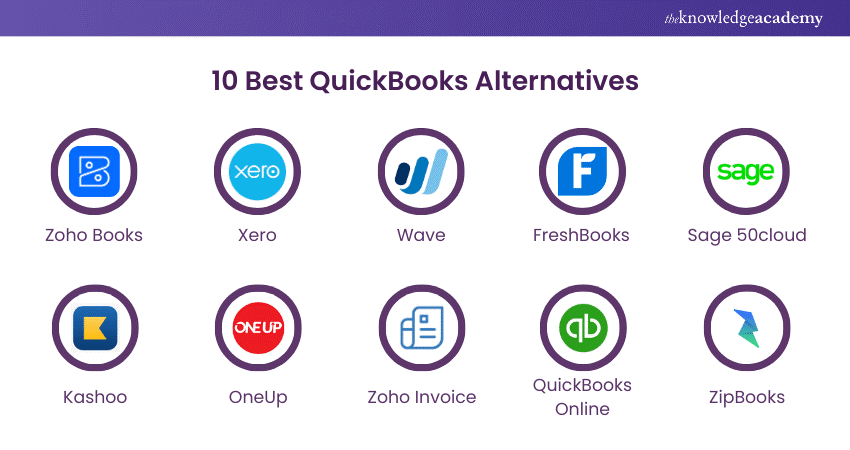
QuickBooks is a popular choice, but other cloud-based accounting software options exist. These alternatives offer similar functionalities and features, often at varying price points. The selection depends on specific client needs and preferences.
- Xero: Xero is a widely used cloud-based accounting software. It offers features such as invoicing, expense tracking, bank reconciliation, and reporting. Xero is often praised for its user-friendly interface and robust features. Integration with other business tools is also a key strength.
- Wave: Wave is a free or low-cost option for small businesses. It provides essential accounting tools, like invoicing and expense tracking, and is a suitable choice for those on a budget.
Project Management Software
Project management software facilitates organization and communication. This is crucial for managing multiple client projects simultaneously, ensuring timely completion, and keeping clients updated.
- Asana, Trello, Monday.com: These platforms offer project management features. Asana is known for its task management, Trello for its visual boards, and Monday.com for its project planning and tracking. These platforms are frequently used by remote bookkeepers to manage multiple client projects and track progress.
Communication Tools
Efficient communication is paramount in remote bookkeeping. Tools enable seamless interaction with clients and team members.
- Email, Slack, Zoom: Email remains a standard communication channel. Slack facilitates instant messaging for quick questions and updates. Video conferencing tools like Zoom enable real-time interaction and client meetings.
Accounting Software Alternatives
| Software | Features | Pros | Cons |
|---|---|---|---|
| Xero | Invoicing, expense tracking, bank reconciliation, reporting | User-friendly interface, robust features, good integrations | Potentially higher cost than some alternatives |
| Wave | Invoicing, expense tracking, basic reporting | Free or low-cost option, good for small businesses | Limited features compared to other options |
Final Conclusion
In conclusion, managing your finances remotely with QuickBooks is a practical and efficient approach. This guide provided a comprehensive overview of the process, from understanding the basics of remote bookkeeping to utilizing the best practices and tools available. Hiring a skilled remote QuickBooks bookkeeper can streamline your financial operations and unlock greater flexibility and cost savings. Remember to prioritize clear communication, data security, and client relations to ensure a smooth and successful remote bookkeeping experience.