Private African Safari Tours Your Adventure Awaits
Private African safari tours offer an unparalleled experience, stepping away from the crowds and into a world of personalized adventure. Unlike group tours, these journeys are meticulously crafted to suit your specific interests, ensuring an unforgettable encounter with Africa’s wildlife and breathtaking landscapes. Whether you dream of spotting elusive leopards, experiencing luxury accommodations, or immersing yourself in the local culture, a private safari can tailor your African safari to your every desire.
From meticulously planned itineraries to the finest accommodations, private safaris provide unparalleled flexibility and exclusivity. Expert guides, tailored activities, and unique wildlife viewing opportunities create an immersive experience that goes beyond the typical tourist encounter. This comprehensive guide explores everything from destination selection to ethical considerations, helping you plan your perfect private African adventure.
Introduction to Private African Safaris: Private African Safari Tours
Private African safaris offer a unique and immersive experience compared to group tours. They put you in the driver’s seat, allowing complete customization and unparalleled flexibility. Forget the crowds and rigid schedules; you set the pace, the destinations, and the activities. This personalized approach ensures a more intimate connection with the African wilderness and its incredible wildlife.
Private safaris cater to diverse interests and budgets, from adventurous exploration to luxurious relaxation. This flexibility is a significant advantage over group tours, where your experience might be dictated by the group’s needs rather than your own.
Types of Private Safaris
Private safaris come in various forms to suit different preferences and budgets. They are not a one-size-fits-all package. Customization is key. You can tailor your itinerary to specific wildlife sightings, or select a pre-designed luxury safari that focuses on comfort and exquisite accommodations.
- Customized Itineraries:
- This allows complete control over your safari, allowing you to focus on specific areas or species you want to see. You can tailor your itinerary based on your interests, from spotting rare bird species to tracking the elusive African wild dog.
- Specific Wildlife Viewing:
- Want to witness the legendary “Big Five” up close? A private safari can be designed to focus solely on tracking these majestic animals in their natural habitat. Or, perhaps you’re interested in a specific bird species, or the unique flora and fauna of a particular region.
- Luxury Accommodations:
- Indulge in exceptional comfort and style with private safaris that feature luxurious lodges and camps. These accommodations often offer personalized service, fine dining, and private game drives.
Duration and Price Range
The duration of a private safari can range from a few days to several weeks, depending on your chosen itinerary and desired level of immersion. A typical short safari might last 3-7 days, while longer excursions could extend to 14 days or more. Similarly, the price range is quite broad. Factors influencing the cost include the type of accommodation, the chosen activities, the level of luxury, and the duration of the trip. For example, a 7-day, budget-friendly safari in a mid-range lodge could cost around $3,000-$5,000 per person, whereas a 10-day luxury safari in a top-end camp could easily exceed $10,000 per person.
Private vs. Group Safaris
| Factor | Private Safari | Group Safari |
|---|---|---|
| Flexibility | High – Tailor-made itineraries, customized schedules, and choice of activities. | Low-group schedules and itineraries are often predetermined. |
| Cost | Generally higher, depending on the chosen luxury level. | Generally lower, shared costs. |
| Experience | More intimate, personalized, and exclusive experience, with focused attention to your interests. | Shared experience with other travelers, potentially more impersonal. |
| Wildlife Viewing | Increased chances of seeing specific animals due to focused attention and flexibility. | Potentially lower chances of seeing specific animals due to group limitations. |
| Privacy | High level of privacy and personalized attention. | Lower level of privacy due to shared experience. |
Destination Selection and Planning
Source: goodearthtours.com
Picking the perfect African safari destination for your private tour is crucial. It’s about more than just choosing a national park; it’s about aligning your adventure with the specific wildlife and landscapes you crave. This section details popular destinations, their unique features, and factors to consider when making your final choice.
Popular Safari Destinations
Different African countries offer distinct safari experiences. Some are renowned for their big game viewing, others for their unique landscapes and cultural immersion. Consider what you’re hoping to see and do, and research destinations accordingly.
- Tanzania, home to the Serengeti and Ngorongoro Crater, is a prime destination for witnessing the Great Migration. The vast plains teeming with wildebeest, zebra, and gazelles provide unparalleled wildlife viewing opportunities. The dramatic landscapes and diverse ecosystem offer incredible variety.
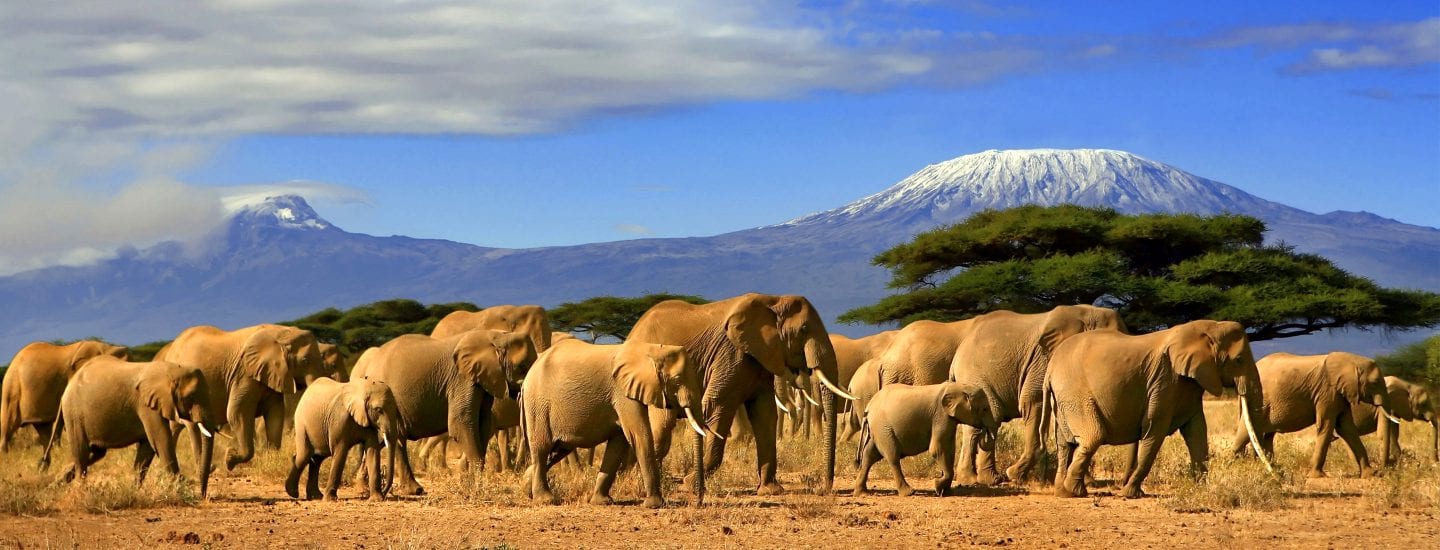
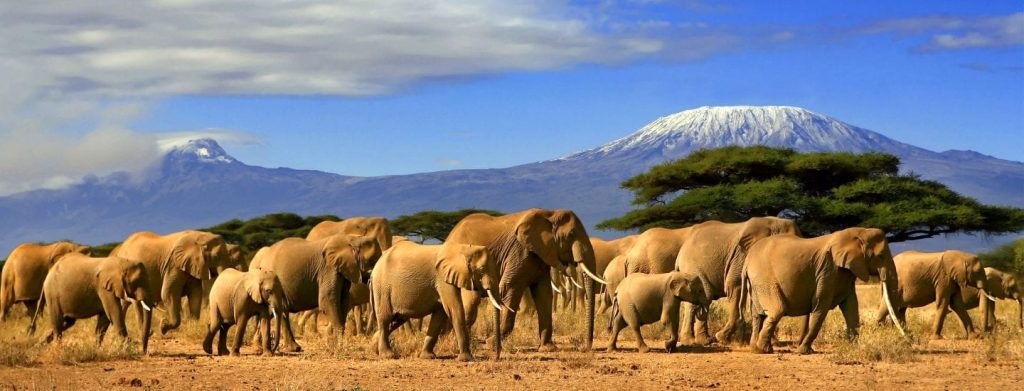
- Kenya, featuring the Masai Mara and Amboseli National Parks, boasts stunning savannas and diverse wildlife populations. The Masai Mara is world-famous for its high density of large mammals, especially during the Great Migration’s seasonal movements. Amboseli offers spectacular views of Mount Kilimanjaro, providing a unique backdrop to wildlife encounters.
- Botswana, renowned for its Okavango Delta and Chobe National Park, offers a more secluded and intimate safari experience. The Okavango Delta is a remarkable inland water system, supporting a unique array of wildlife, often less crowded than other regions. Chobe National Park is known for its large elephant populations.
- South Africa, encompassing Kruger National Park and various private reserves, provides a well-developed infrastructure and diverse ecosystems. The Kruger National Park, a vast wilderness area, is home to a large number of animals. Private reserves often provide a more exclusive and personalized experience, tailored to your interests. You can often choose lodges and camps that cater to your specific comfort and preferences.
Comparing Safari Destinations
When choosing between destinations, consider factors like wildlife density, landscape variety, and accessibility. For example, Tanzania’s Serengeti offers incredible wildlife viewing, but the terrain can be challenging. Botswana’s Okavango Delta, while offering a different aesthetic and unique wildlife, may require more specialized transport.
| Destination | Unique Selling Proposition (USP) | Strengths | Weaknesses |
|---|---|---|---|
| Tanzania (Serengeti) | Great Migration, vast plains | High wildlife density, diverse landscapes | Terrain can be challenging, with potential for crowds |
| Kenya (Masai Mara) | High mammal density, Great Migration | Excellent wildlife viewing, varied landscapes | Potential for crowds, especially during peak season |
| Botswana (Okavango Delta) | Unique inland water system | Secluded experience, diverse wildlife, unique environment | Limited road access, potentially more expensive |
| South Africa (Kruger) | Well-developed infrastructure, diverse ecosystems | Established tourism infrastructure, accessible | Potential for high tourist numbers, less remote experience compared to Botswana |
Factors Affecting Private Safari Costs
Several factors influence the price of a private safari. Travel dates, the level of luxury, and the specific destination significantly impact the cost.
- Seasonality: Peak seasons, such as the dry season, often command higher prices due to increased demand and activity. Consider if you’re willing to travel during a less crowded season for potentially better rates.
- Luxury Level: Lodges and camps offering more amenities and personalized services, such as gourmet meals, private guides, and spacious accommodations, will typically have higher prices.
- Destination Specifics: Some destinations, particularly those with remote or challenging terrain, might incur higher costs for transport and accommodation. The type of activities you choose, such as hot air balloon rides, will also influence the price.
- Duration of Stay: Longer trips often result in lower per-day costs, as expenses like accommodation are spread out over more days.
- Group Size: A smaller group means potentially higher per-person costs if the safari is designed to be exclusive.
Itinerary and Activities
Crafting your perfect African safari experience hinges on a meticulously planned itinerary. This phase focuses on tailoring activities to your interests, ensuring a truly memorable adventure. From thrilling game drives to immersive cultural encounters, the possibilities are vast.
Private safaris offer unparalleled flexibility. Instead of a rigid schedule, your itinerary is sculpted to your preferences, maximizing your time and ensuring you experience the African wilderness on your terms.
Common Safari Activities
Private safaris provide a diverse range of activities, catering to various interests and travel styles. These experiences go beyond simply spotting wildlife; they immerse you in the African landscape.
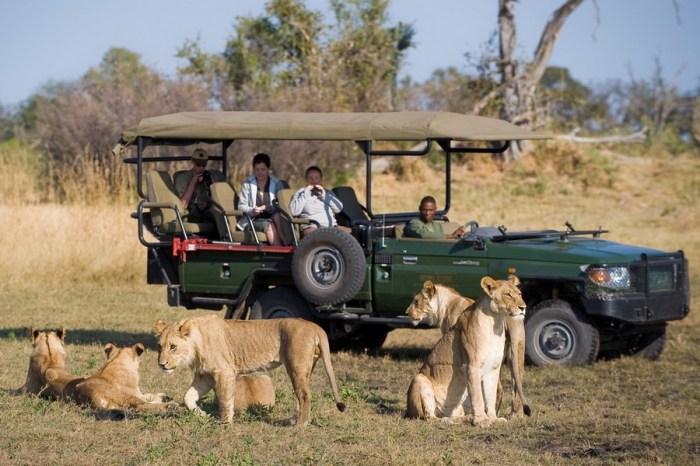
- Game Drives: These are a cornerstone of any safari, offering the chance to witness Africa’s iconic wildlife in their natural habitat. Experienced guides provide invaluable insights into animal behavior and local ecology. Open 4×4 vehicles are often used for their enhanced maneuverability and visibility.
- Bush Walks: Bush walks offer a more intimate connection with the African wilderness. They allow for a closer observation of the smaller creatures and the intricate details of the ecosystem, which might be missed from a vehicle. Experienced guides lead these walks, ensuring safety and providing in-depth knowledge of the flora and fauna.
- Cultural Interactions: Immerse yourself in the local culture through visits to villages or communities. Learn about traditional practices, crafts, and the unique way of life in these areas. These interactions foster respect and understanding between different cultures.
Tailoring Activities to Interests
A key advantage of private safaris is their ability to customize activities to specific interests. No two safaris are alike, reflecting the unique preferences of each traveler.
- Photography Enthusiasts: Safaris can be tailored to prioritize prime photo opportunities. Experienced guides can lead you to the best vantage points and suggest optimal times for capturing stunning wildlife images. Specific locations known for excellent photography opportunities can be highlighted.
- Birdwatchers: The diverse avian life of Africa offers a wealth of opportunities for birdwatching. Specialized guides can provide insights into local bird species and help you spot rare or elusive birds. The itinerary can include specific locations known for particular bird species.
- Nature Lovers: The safari experience can be focused on nature walks, botanical explorations, and learning about the region’s unique ecosystems. Experienced guides can lead you to hidden gems and share their knowledge of the local flora and fauna.
Flexibility and Customization
The flexibility of a private safari is unmatched. Your itinerary is not set in stone, and you have the power to adjust it based on your evolving interests and preferences.
- Itinerary Adjustments: Encountering unexpected wildlife encounters or experiencing a change in weather conditions? A private safari allows for prompt adjustments to the itinerary to capitalize on opportunities or mitigate challenges. Flexibility is key.
- Activity Options: Beyond the standard game drives and bush walks, private safaris offer a wide array of activities, including hot air balloon rides, stargazing, and visits to local markets. These can be incorporated into the itinerary based on your preferences.
Examples of Additional Safari Activities
Private safaris can be designed to incorporate a variety of activities, expanding beyond the typical game drive experience.
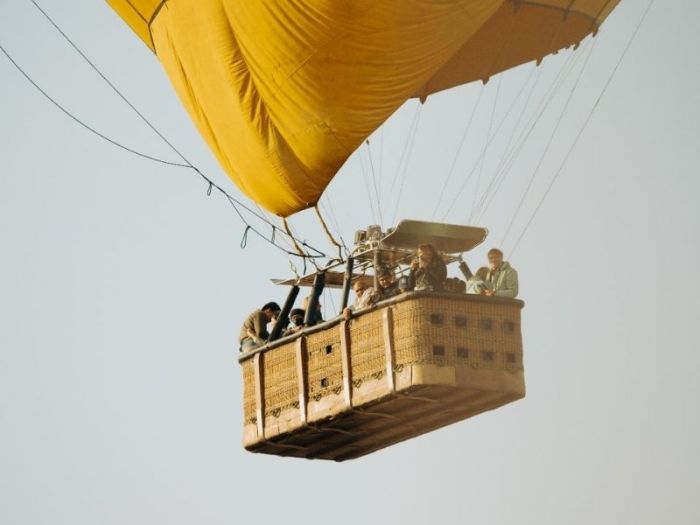
- Hot Air Balloon Rides: Witness the breathtaking sunrise over the African savanna from a unique perspective. These rides provide stunning panoramic views and create unforgettable memories.
- Bird Watching: Africa is a haven for birdwatchers, boasting a remarkable variety of species. A private safari can be designed around specific bird species or habitats, allowing for in-depth observation and photographic opportunities.
- Stargazing: The clear skies of many African regions provide excellent stargazing opportunities. Private safaris can be tailored to include visits to designated dark-sky areas, offering a truly awe-inspiring experience.
Accommodating Different Travel Styles
Private safaris can be designed to accommodate various travel styles, ensuring a personalized experience for everyone.
- Families: Private safaris can be structured to include activities that appeal to all members of the family, including children’s programs, game viewing tailored to younger audiences, and activities to engage the whole family.
- Couples: A romantic safari can be planned, featuring secluded locations, romantic dinners, and activities tailored to create unforgettable moments for couples. This often includes secluded locations and opportunities for intimacy.
- Solo Travelers: A private safari can cater to solo travelers, providing personalized attention and a supportive environment, while ensuring a safe and enjoyable experience for travelers seeking adventure and connection.
Accommodation and Logistics
Private African safaris are about more than just spotting wildlife; they’re about immersion in the continent’s beauty and culture. Careful planning of your accommodation and logistics is key to a smooth and unforgettable experience. This section details the options available, from luxurious tented camps to exclusive lodges, and how the experienced staff plays a crucial role.
Private safaris often go beyond the typical tourist experience, creating bespoke itineraries that cater to individual needs and preferences. This personalized approach extends to accommodation choices, ensuring guests enjoy the highest standards of comfort and service.
Luxury Accommodation Options
Private safaris offer a diverse range of luxurious accommodations. These vary from intimate tented camps nestled within nature reserves to exclusive lodges with breathtaking views. Each option provides a unique experience, tailored to create a memorable and immersive adventure.
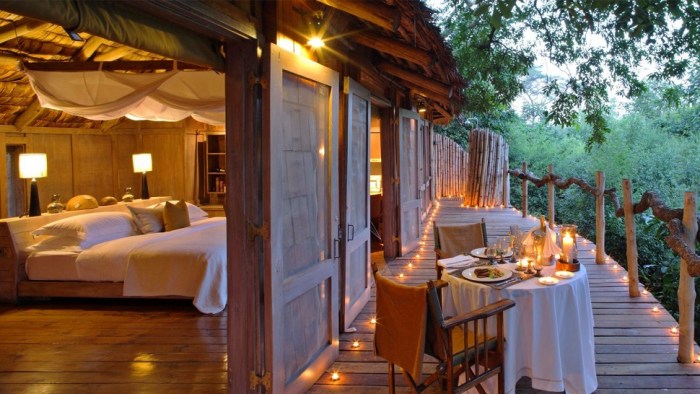
- Tented Camps: These camps offer a blend of comfort and rustic charm. Imagine waking up to the sounds of the African savanna, with spacious tents equipped with comfortable beds, en-suite bathrooms, and sometimes private balconies. Many offer gourmet meals prepared by skilled chefs and the opportunity to enjoy sundowners with breathtaking views.
- Luxury Lodges: Lodges provide a more permanent and substantial accommodation experience, often with suites offering exceptional comfort and amenities. They frequently feature large, luxurious rooms with private balconies or patios, exquisite dining areas, and extensive grounds perfect for relaxing or observing wildlife.
- Exclusive Villas: For ultimate privacy and exclusivity, some safaris feature private villas, offering complete seclusion. These often include a private pool, a personal chef, and a dedicated staff to ensure the guest’s comfort and well-being.
Experienced Guides and Trackers
The success of a private safari hinges significantly on the expertise of the guides and trackers. These professionals are intimately familiar with the terrain, wildlife patterns, and the local environment.
- Guides: Highly trained and experienced guides play a crucial role in ensuring a safe and informative journey. Their knowledge of animal behavior, conservation efforts, and local flora and fauna enriches the safari experience. Their understanding of the ecosystem is essential to identifying and observing wildlife effectively.
- Trackers: Experienced trackers are essential for locating and observing wildlife. Their keen eyes and intimate knowledge of the area enable them to navigate the landscape, track animals, and enhance the overall safari experience. Their expertise is crucial in identifying specific animals and their behaviours.
Local Community Involvement, Private African safari tours
Sustainable tourism emphasizes the importance of supporting local communities. Private safaris often incorporate local communities into their operations, creating opportunities for employment and economic empowerment.
- Employment Opportunities: Many private safari companies hire local guides, trackers, and staff to ensure the economic benefits of tourism reach the local population. This creates employment opportunities for local people, fostering economic growth within the community.
- Community Projects: Some safaris directly support local community projects through donations or partnerships, further strengthening the bond between the safari company and the local community. This strengthens the positive impact of tourism on the local environment and culture.
Transportation Options
The transportation chosen on a private safari reflects the unique experience desired. Whether a luxurious vehicle or a more rugged 4×4, the method chosen ensures comfort and accessibility.
- Luxury Vehicles: Many private safaris use highly specialized and comfortable vehicles, ensuring maximum comfort and ease of travel. These vehicles often feature high ground clearance, allowing for off-road exploration and a close-up experience of the African landscape. They are equipped for extended journeys and are designed for comfort and visibility.
- 4×4 Vehicles: 4×4 vehicles offer a rugged and adventurous approach to safari travel. Their capability to navigate challenging terrains enables access to remote areas and allows for a closer connection with the environment. These are often the preferred choice for exploring more remote areas.
Accommodation Comparison
| Accommodation Type | Amenities | Experience |
|---|---|---|
| Tented Camps | Comfortable beds, en-suite bathrooms, often with balconies, gourmet meals, sundowners | Rustic charm, immersive |
| Luxury Lodges | Luxurious suites, private balconies/patios, exquisite dining, extensive grounds | Elevated comfort, scenic views |
| Exclusive Villas | Complete privacy, private pools, personal chefs, dedicated staff | Ultimate seclusion and personalization |
Wildlife and Photography
Africa’s diverse landscapes teem with incredible wildlife. From the towering elephants of the savanna to the elusive leopards of the bush, a private safari offers unparalleled opportunities to witness these magnificent creatures in their natural habitat. This section delves into the unique wildlife viewing advantages of a private safari and how to maximize your photographic potential.
Private safaris significantly enhance wildlife viewing experiences. The smaller group size and dedicated guides allow for a more intimate and focused approach to observing animals. This personalized experience results in more time spent in prime viewing areas and increased chances of encountering rare or elusive species.
Unique Wildlife Sightings in Private Safaris
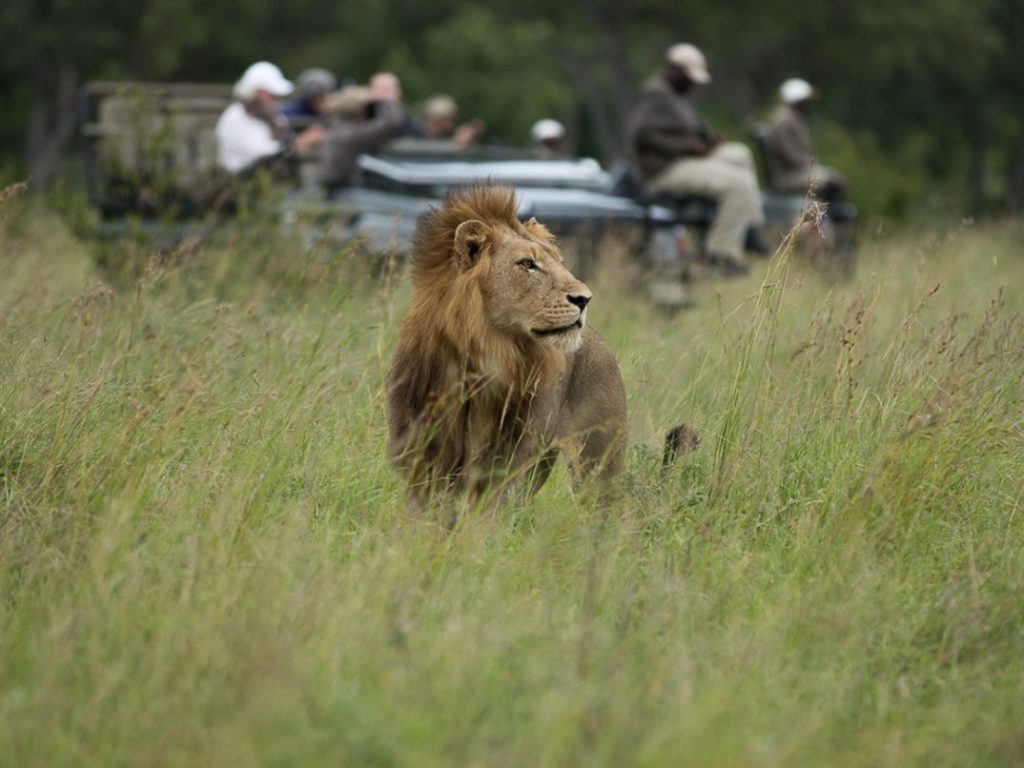
Private safaris offer the unique opportunity to focus on specific animals or habitats, maximizing the chance of encountering less common species. A knowledgeable guide can often locate rare species that might be overlooked during a standard tour. For instance, tracking elusive cheetah families in the Kalahari or observing the intricate social structures of wild dogs in the Serengeti are experiences possible only with dedicated attention.
Enhancing Wildlife Viewing Experiences
Several factors contribute to a more immersive wildlife viewing experience during a private safari. Experienced guides are invaluable, possessing in-depth knowledge of animal behavior and the best locations for encounters. Their intimate knowledge allows for personalized insights into the lives of the animals, from their feeding habits to their breeding patterns. They can also adjust the safari itinerary based on current wildlife movements, maximizing your chances of seeing specific animals. This is particularly important when tracking rare or migratory species.
Specific Wildlife Encounters by Destination
Different African destinations boast unique wildlife encounters. In the Okavango Delta, you might observe the remarkable interactions between elephants and hippos, or the vast herds of migrating wildebeest. The Maasai Mara, known for its incredible wildebeest migration, provides unparalleled opportunities for large-scale wildlife viewing. The Kruger National Park, with its diverse ecosystems, offers opportunities to see a wide range of animals, from the big five to smaller predators and primates. The savanna landscapes of Botswana provide spectacular views of lions and elephants.
Capturing Stunning Wildlife Photographs
High-quality wildlife photography is a significant part of the safari experience. A dedicated guide can help you identify ideal photographic opportunities and provide insights into the best angles and compositions. Using a telephoto lens is crucial for capturing distant wildlife, while understanding animal behavior can help you anticipate their movements and positions. Natural light is paramount; early morning and late afternoon light often provides the best colors and shadows for your images. Patience is key.
Specialized Wildlife Viewing on Private Safaris
Private safaris allow for specialized wildlife viewing, such as tracking rare species. Guides can tailor the itinerary to focus on specific animal groups, such as tracking rare leopard populations or searching for elusive wild dog packs. They can also adjust the safari time to take advantage of specific animal behaviors. For instance, observing elephants during their morning feeding rituals or spotting cheetahs during their hunting activities. This specialized approach, exclusive to private safaris, is a hallmark of a unique and memorable experience.
Ethical Considerations
Private African safaris offer an incredible opportunity to experience the continent’s breathtaking wildlife and stunning landscapes. However, responsible travel is crucial, and choosing an ethical operator is paramount. This involves supporting local communities and conservation efforts, ensuring that the experience benefits both the environment and the people who live there.
Ethical safaris prioritize conservation, local communities, and minimizing environmental impact. This approach extends beyond just wildlife viewing; it encompasses the entire experience, from the accommodations to the guides and the activities undertaken. By supporting responsible operators, you contribute to a more sustainable and equitable future for Africa.
Responsible Tourism Practices
Choosing a responsible safari operator ensures that your trip aligns with conservation goals and benefits local communities. This involves minimizing your environmental footprint and supporting sustainable practices. Look for operators committed to reducing their carbon emissions, employing eco-friendly transportation, and sourcing locally. Responsible operators also work to minimize disturbance to wildlife and maintain the integrity of natural habitats.
Supporting Local Communities
Many communities surrounding national parks rely on tourism for their livelihoods. Ethical safari operators actively engage with local communities, providing employment opportunities and investing in local projects. This may include sponsoring schools, healthcare initiatives, or infrastructure improvements. These efforts build stronger relationships and ensure that the benefits of tourism are shared equitably.
The Role of Private Safari Operators
Private safari operators play a vital role in promoting responsible tourism. They are often on the front lines of conservation efforts, working with local communities and governments to protect wildlife and their habitats. A strong commitment to ethical practices ensures that the benefits of tourism are shared and the environment is protected. A responsible operator will have a clear policy outlining their commitment to sustainability and community engagement.
Benefits of Choosing Sustainable Operators
Choosing a safari operator committed to sustainable practices is beneficial for the environment, local communities, and your experience. These operators often employ local guides and staff, which supports the local economy. They prioritize the preservation of wildlife and their habitats, ensuring the continued existence of the magnificent animals and landscapes you are seeking to experience. Your contribution helps create a more sustainable and equitable future for Africa.
Examples of Ethical Safari Operators and Initiatives
Several private safari operators are renowned for their commitment to ethical and sustainable practices. For example, Wilderness Safaris is a leader in conservation and community development, focusing on responsible tourism and sustainable operations. Their projects often include support for local conservation initiatives and community development projects. Similarly, &Beyond’s commitment to eco-tourism and conservation initiatives, such as wildlife protection programs and community partnerships, ensures a positive impact on the environment and the people. These are just a few examples of operators dedicated to ethical and sustainable practices, demonstrating the positive impact that responsible tourism can have.
Booking and Planning
Getting your dream African safari off the ground involves a meticulous process. From initial research to final confirmation, careful planning ensures a smooth and unforgettable experience. Understanding the steps involved and the role of key players will help you navigate the journey.
The process of booking a private safari tour often begins with a clear vision of your desired experience. This involves selecting the right destination, choosing the ideal time of year, and outlining the activities you envision. From there, the journey to booking your customized adventure unfolds.
Booking Process Overview
The booking process for a private safari tour involves several key steps. First, thorough research into reputable safari operators is crucial. Next, a travel agent can act as a valuable intermediary to help you customize your itinerary and manage the logistics. Ultimately, the final step involves confirming the details of your safari, including the chosen accommodation, activities, and other specific requests.
Necessary Documents and Procedures
Before booking, gather essential documents like passports, visas, and travel insurance. Visa requirements vary depending on the country you plan to visit. Passports must be valid for at least six months beyond your travel dates. Travel insurance is highly recommended to cover any unforeseen circumstances. Be sure to check the specific requirements for your destination and ensure all documents are in order.
Customizing Your Safari Itinerary
Crafting a personalized itinerary is a critical part of the booking process. Discussions with your travel agent or the safari operator will determine the specifics of your trip. This may include selecting particular wildlife viewing locations, tailoring activities like game drives, cultural experiences, or specific accommodations. The more information you provide about your interests and preferences, the better the itinerary will reflect your needs. For example, if you are a keen photographer, you might want to prioritize game drives at sunrise and sunset. If you’re interested in birdwatching, the itinerary could incorporate visits to areas known for their avian diversity.
Role of a Travel Agent
A travel agent specializing in African safaris can be a valuable asset in the planning process. They possess extensive knowledge of different safari operators, destinations, and activities. Their role extends beyond simply booking flights and accommodation. They can assist in navigating the complexities of visa requirements, suggest appropriate accommodations, and tailor the itinerary to your specific preferences. A travel agent’s experience is invaluable in ensuring a smooth and efficient booking process.
Researching Reputable Safari Operators
Thorough research is essential to identify reputable safari operators. Look for companies with a strong track record, positive reviews, and a commitment to ethical and sustainable practices. Checking references, examining past client testimonials, and verifying the company’s affiliations with conservation organizations are all prudent steps. Ensure that the operator adheres to conservation efforts and promotes sustainable tourism practices.
Choosing and Confirming a Private Safari Tour
Selecting a safari tour involves evaluating various factors. Consider the cost, the level of service, the type of accommodation, and the planned activities. Compare different operators and their packages to find the best fit for your needs. Once you’ve chosen a safari tour, confirm all the details in writing. This includes the itinerary, accommodation details, pricing, and any other agreed-upon aspects. Reviewing the contract thoroughly before signing is crucial to avoid any misunderstandings. The contract should outline all terms and conditions of the safari.
Summary
In conclusion, private African safari tours offer a personalized and enriching journey through the heart of Africa. With customizable itineraries, luxury accommodations, and expert guides, you can craft an unforgettable experience that caters to your interests and preferences. By understanding the factors that influence destination choice, activity planning, and ethical considerations, you can embark on a safari that respects the environment and enriches your understanding of this magnificent continent. So, get ready to embark on your private African safari adventure – a journey that’s as unique as you are.