Remote Call Service Your Guide
Remote call service is revolutionizing how businesses connect with customers. Imagine seamless communication across geographical boundaries, with features like call recording and routing to streamline operations. This guide dives deep into everything from the basics of different types of remote call services to advanced implementation strategies, including pricing, security, and future trends. Get ready to unlock the potential of these powerful tools!
We’ll cover everything from defining VoIP and cloud-based systems to the nuts and bolts of integration with existing business software. Expect insights into various pricing models, security best practices, and case studies showcasing real-world applications. This isn’t just about talking; it’s about maximizing efficiency and building stronger connections.
Defining Remote Call Services
Remote call services have revolutionized communication, enabling businesses and individuals to connect seamlessly across geographical boundaries. These services provide a variety of options for voice and video communication, making them a crucial part of modern business and personal life. They offer flexibility and cost-effectiveness, especially for organizations with dispersed teams or international clients.
Remote call services encompass a broad spectrum of technologies and applications. They facilitate communication through various methods, including voice-over-IP (VoIP), cloud-based platforms, and traditional phone systems integrated with modern technologies. The core functionalities of these services include placing and receiving calls, managing call routing, and providing features like call recording, conferencing, and voicemail.
Types of Remote Call Services

Remote call services come in various forms, each catering to different needs and budgets. Understanding these variations is essential for selecting the most suitable solution.
- VoIP (Voice over Internet Protocol): VoIP utilizes the internet to transmit voice calls, offering significant cost savings compared to traditional landline services. This technology leverages internet bandwidth for communication, enabling calls to be routed through various networks. Examples include services like Skype, Google Voice, and numerous business-grade solutions. VoIP solutions are increasingly popular due to their flexibility and affordability.
- Cloud-Based Call Services: Cloud-based solutions host call infrastructure on remote servers, providing scalability and accessibility from anywhere with an internet connection. These platforms often integrate with other business applications like CRM systems, making them highly efficient for businesses needing seamless workflows. Cloud services can be more cost-effective for businesses with fluctuating call volume as they often scale automatically to meet demand.
- Traditional Phone Systems with Modern Integrations: Existing phone systems are often integrated with VoIP or cloud-based technologies. This hybrid approach allows businesses to leverage the existing infrastructure while benefiting from the advantages of remote call features. This approach often involves replacing or upgrading existing hardware, potentially requiring investment in new equipment or professional support.
Core Functionalities and Benefits
The core functionality of remote call services centers around communication and collaboration. These services provide businesses with numerous benefits, from improved accessibility to cost savings.
- Call Placement and Management: Remote call services allow for the seamless placement and management of calls, including features like call forwarding, call transfer, and call recording. These functionalities improve efficiency and enable better communication workflows.
- Call Recording and Analysis: Recording and analyzing calls are crucial for quality assurance, training, and compliance purposes. Remote call services can be configured to record calls automatically, providing valuable insights into interactions and performance.
- Enhanced Communication and Collaboration: These services facilitate enhanced communication and collaboration among remote teams, enabling real-time interactions and faster decision-making.
- Cost Savings: Remote call services often reduce costs compared to traditional phone systems, especially for international calls or high-volume communication.
Key Components and Technologies
Remote call services rely on several key components and technologies to function effectively. Understanding these components is crucial for implementation and management.
- Network Infrastructure: The network infrastructure is the backbone of any remote call service, ensuring reliable communication between users. Reliable internet connections are essential for optimal VoIP performance.
- Call Routing Systems: These systems direct calls to the appropriate destinations based on various criteria, ensuring smooth and efficient call management.
- Software and Applications: The software and applications provide the user interface and functionality for placing and managing calls. They can include desktop clients, mobile apps, and web interfaces.
- Security Measures: Security is paramount for protecting sensitive information transmitted during calls. Remote call services employ various security measures to protect user data and maintain privacy.
Comparison of Remote Call Service Types
The following table provides a comparative analysis of different remote call service types, including pricing models and key features.
| Service Type | Pricing Model | Key Features |
|---|---|---|
| VoIP | Subscription-based, per-minute charges, or flat rate | Cost-effective, scalability, accessibility, call forwarding, call transfer |
| Cloud-Based | Subscription-based, usage-based, or per-user | Scalability, flexibility, integration with other business applications, and advanced analytics |
| Traditional with Integrations | A hybrid of existing plans plus additional costs for integrations | Leverages existing infrastructure, can incorporate advanced features, and often requires upgrades |
Remote Call Service Features and Capabilities
Modern remote call services are transforming how businesses interact with customers. These services offer a wide range of features, streamlining communication and boosting efficiency. From basic call handling to sophisticated analytics, remote call services can significantly improve a business’s bottom line.
Key Features and Capabilities
Remote call services offer a diverse range of features, each designed to enhance customer experience and optimize operational efficiency. These features often include call recording, call routing, call analytics, and automated attendants. The specific features offered vary depending on the service provider and the chosen plan.
Call Recording
Call recording is a crucial feature for businesses. It provides a documented record of every interaction, allowing for training, quality assurance, and compliance purposes. This documented history can be used to identify areas for improvement in customer service interactions and agent performance. Accurate recordings also provide valuable insights into customer needs and feedback, helping businesses adapt their strategies to better meet customer demands.
Call Routing
Call routing is essential for efficient call management. It directs incoming calls to the most appropriate agent or department, ensuring customers are connected quickly and effectively. Intelligent call routing systems can prioritize calls based on urgency, customer type, or department availability, significantly reducing wait times and improving customer satisfaction.
Call Analytics
Call analytics provide valuable insights into call patterns and agent performance. These data-driven reports allow businesses to understand customer behavior, identify trends, and optimize their operations. For example, analyzing call duration, agent handling time, and customer satisfaction scores can reveal areas for improvement in training or service delivery. These analytics can help businesses adjust staffing levels and resource allocation for optimal performance.
Automated Attendants
Automated attendants provide a first point of contact for incoming calls. They can direct callers to the appropriate department, provide information, and answer frequently asked questions, reducing the workload on live agents. This initial interaction can save businesses significant time and resources, while also providing instant access to information. For example, a well-designed automated attendant can answer questions about store locations, product availability, or order status.
Live Agents
Live agents offer personalized service, handling complex inquiries and resolving unique customer issues. Their adaptability and ability to address specific customer needs make them indispensable for certain types of calls. Live agents are essential for calls that require a deeper understanding of the customer’s situation or complex problem-solving.
Call Handling Options Comparison
| Feature | Automated Attendants | Live Agents |
|---|---|---|
| Cost | Lower | Higher |
| Speed | Faster for simple inquiries | Slower for initial calls, faster for complex issues |
| Flexibility | Limited | High |
| Accuracy | High for pre-programmed information | High for personalized solutions |
| Customer Experience | Efficient for simple tasks | More personalized for complex issues |
Call Management Tools and Software
Various call management tools and software are available, each offering a range of features and capabilities. The right choice depends on the specific needs and budget of the business. Some popular options include:
- RingCentral: A cloud-based platform that offers comprehensive call management, including call recording, routing, and analytics.
- GoToContactCenter: A robust platform for managing customer interactions, with features for automated attendants, call routing, and reporting.
- Five9: A cloud-based solution offering a range of call management tools and integrations with CRM systems.
- Avaya: A comprehensive solution providing various options for call management and customer service interactions.
Remote Call Service Implementation and Integration
Setting up a remote call service isn’t just about choosing software; it’s about carefully planning how it fits into your existing operations. This involves understanding your business processes, choosing the right integration methods, and implementing robust security measures. Successful integration minimizes disruption and maximizes the service’s value.
A well-integrated remote call service streamlines communication, improves customer experience, and allows your team to focus on core business tasks. Careful planning in the implementation phase ensures that the service functions smoothly and efficiently, enhancing overall operational efficiency.
Step-by-Step Implementation Guide
Implementing a remote call service requires a methodical approach. Begin by assessing your current communication infrastructure and identifying areas needing improvement. This includes evaluating existing phone systems, call routing, and customer support workflows. Next, carefully choose a remote call service provider that aligns with your needs and budget. Thoroughly test the chosen solution in a controlled environment before deploying it to all users. Finally, provide comprehensive training to your team on using the new system.
Integration Methods with Existing Systems

Integrating a remote call service with your existing business systems, such as CRM and accounting software, is crucial for data consistency and efficiency. A seamless integration will automatically populate relevant data in the CRM system during customer interactions. This improves customer service by providing agents with a complete view of each customer’s history.
- CRM Integration: Data synchronization between the remote call service and your CRM is essential. This allows agents to access customer information (orders, history, preferences) directly during calls. This improved access enables agents to address customer issues efficiently and provide personalized service.
- Accounting Integration: Integrating the remote call service with your accounting software allows for automated tracking of call costs and revenue generation. For example, if a call results in a sale, the system can automatically update the accounting records.
Security Considerations and Best Practices
Security is paramount when implementing a remote call service. Employ strong passwords, multi-factor authentication, and regular security audits. Encryption of call data is critical to protect sensitive information. Regularly update the software to patch security vulnerabilities. Establish clear guidelines for handling sensitive data and train staff on data protection protocols.
- Data Encryption: Securely encrypting call data is crucial. This practice protects customer information and ensures compliance with data privacy regulations.
- Access Control: Implementing granular access control allows you to limit user access to sensitive data. This prevents unauthorized access and protects your company’s assets.
- Regular Security Audits: Regular security audits are essential for identifying and addressing vulnerabilities. This proactive approach minimizes potential security risks and helps maintain a strong security posture.
Potential Challenges and Solutions
Integrating a remote call service with existing systems can present challenges. One common issue is data format incompatibility. Solutions include using data mapping tools to translate data between systems. Another challenge is the complexity of integrating different systems. Solutions include breaking the integration into smaller, manageable steps and using an experienced IT consultant.
- Data Format Incompatibilities: Different systems often use different data formats. Employ data mapping tools or custom scripts to ensure compatibility. This will transform data from one format to another to maintain data integrity.
- System Complexity: The complexity of integrating various systems can be a significant challenge. Addressing the integration in phases will simplify the process and reduce the risk of errors.
- Training Needs: Adequate staff training is critical to successful implementation. Training should cover the new system’s features, functions, and security protocols.
Remote Call Service Use Cases and Applications
Remote call services are more than just a way to handle customer calls; they’re a strategic tool that can significantly boost a business’s efficiency and profitability. From small startups to large enterprises, the right remote call service can streamline operations, improve customer experiences, and open doors to new markets. Understanding the diverse applications of these services is key to unlocking their full potential.
Businesses are increasingly recognizing the value of remote call services across various departments. These services offer a flexible and scalable solution, allowing companies to adapt to changing demands and customer needs without the limitations of a physical location. This flexibility is particularly appealing to businesses looking to expand their reach or optimize their operational costs.
Customer Support Applications
Remote call services are essential for effective customer support. A well-structured call center, staffed by trained agents, can provide instant assistance, resolve issues quickly, and build strong customer relationships. Many companies leverage remote call services to handle high call volumes during peak seasons or promotional periods, ensuring customers receive timely and efficient support. For example, e-commerce companies frequently utilize remote call services to address order inquiries, shipping concerns, and account management issues, providing a consistent level of service to customers regardless of location.
Sales Applications
Remote call services can be powerful tools for sales teams. Outbound calls, lead generation, and appointment scheduling are all significantly facilitated by remote call centers. Sales teams can focus on building relationships and closing deals while remote agents handle the initial contact and qualification process. Companies like insurance providers, financial institutions, and telecommunications companies often utilize remote call services to reach a wider customer base and efficiently manage lead generation activities.
Other Applications
Remote call services can extend beyond customer support and sales. Companies can use them for internal communications, employee training, and even market research. For instance, a healthcare organization might use remote call services to schedule appointments, collect patient data, and provide health education. A tech company might use them for technical support, software updates, and product demonstrations. This versatility is a significant benefit for businesses looking to integrate remote call services into their broader operational framework.
Business Types and Use Cases
| Business Type | Specific Use Cases |
|---|---|
| E-commerce Businesses | Order inquiries, returns, shipping issues, and account management |
| Insurance Companies | Policy inquiries, claim processing, and premium payments |
| Financial Institutions | Account inquiries, loan applications, investment advice |
| Telecommunications Companies | Technical support, account management, and billing inquiries |
| Healthcare Providers | Appointment scheduling, patient data collection, and health education |
Benefits and Drawbacks for Different Company Sizes
| Company Size | Benefits | Drawbacks |
|---|---|---|
| Small Businesses | Cost-effective solution for scaling operations, access to skilled agents, and reduced overhead costs. | Potential for limited customization, dependence on third-party provider, less control over agent training |
| Medium-sized Businesses | Improved customer service, increased efficiency, flexible scaling options | Potential integration challenges with existing systems, potential for communication issues if not properly managed |
| Large Enterprises | Significant cost savings, improved call handling capabilities, optimized workforce management | Complex integration process, potential for vendor lock-in, and a need for extensive training programs. |
Remote Call Service Trends and Future Directions
Source: data-flair.training
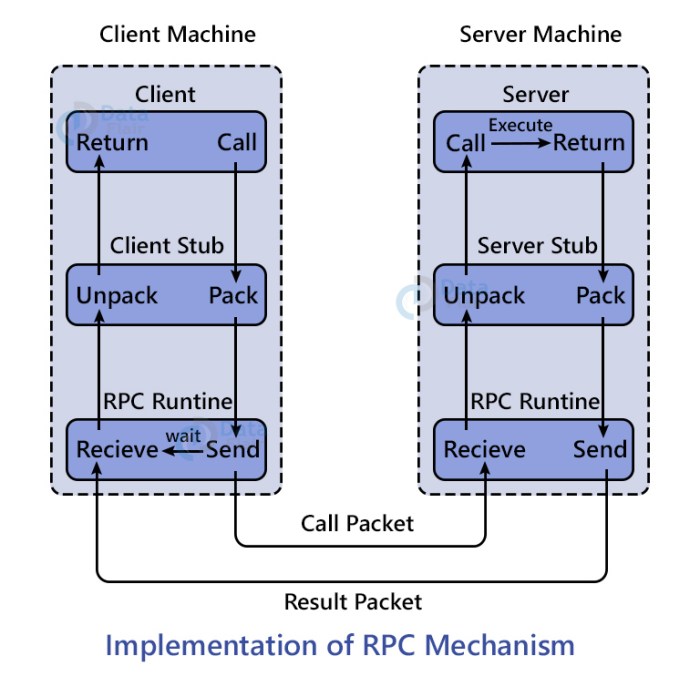
Remote call services are rapidly evolving, adapting to changing customer expectations and technological advancements. This evolution is transforming the way businesses interact with customers and manage operations. The future of remote call services is poised to be significantly impacted by several emerging trends.
The future of remote call services is heavily influenced by advancements in artificial intelligence (AI) and automation. These technologies are reshaping the industry, promising increased efficiency and improved customer experiences. Businesses are increasingly leveraging these tools to streamline processes and reduce operational costs.
AI Integration and Automation
AI is revolutionizing remote call services by automating tasks, improving accuracy, and enhancing customer interactions. AI-powered chatbots are handling routine inquiries, freeing up human agents to focus on more complex issues. Machine learning algorithms analyze customer data to personalize interactions and predict potential problems. This personalized approach to service is likely to become the norm, enhancing customer satisfaction and loyalty.
Enhanced Customer Experience
The evolution of remote call services is focused on creating a superior customer experience. This includes offering omnichannel support, allowing customers to interact with businesses through various channels, including phone, chat, and email. Furthermore, real-time analytics and reporting are becoming essential for evaluating customer satisfaction and identifying areas for improvement. Real-time data enables businesses to address issues quickly and effectively, ensuring a positive experience for the customer.
Omnichannel Support and Integration
Omnichannel support, the ability to connect with customers through various channels like phone, chat, email, and social media, is gaining traction. This seamless integration allows for a more personalized and efficient customer journey. Customers can initiate contact through their preferred channel and easily transition between them without losing context. This approach ensures that customers feel valued and that their issues are addressed promptly and efficiently.
Emerging Technologies
Several emerging technologies are impacting the remote call service sector. These include advancements in natural language processing (NLP), which allows for more natural and intuitive interactions between humans and machines. Additionally, the rise of cloud-based solutions and the expansion of mobile technology offer increased flexibility and accessibility. These technologies are creating new possibilities for businesses to connect with their customers and manage their operations more efficiently.
Potential Disruptions and Opportunities (Next 5 Years)
The next five years will likely see a significant shift in the remote call service sector. Automation and AI integration are expected to become even more sophisticated, potentially leading to a reduction in the need for human agents in certain roles. However, this also presents an opportunity for human agents to focus on higher-value tasks requiring complex problem-solving and relationship building. The rise of omnichannel support will continue to reshape the industry, demanding more flexible and integrated solutions from providers. Furthermore, the increasing importance of data analytics and personalized interactions will be crucial for maintaining customer satisfaction and loyalty.
Remote Call Service Security and Compliance
Remote call services, while offering significant benefits, demand robust security measures to protect sensitive data and maintain user trust. Protecting user privacy and complying with regulations are paramount for the long-term success of any remote call service. This section delves into the critical security protocols, compliance requirements, and best practices necessary for building a secure and trustworthy platform.
Protecting sensitive information, such as customer data and financial details, is essential in remote call services. Security breaches can have significant repercussions, ranging from financial losses to reputational damage. Robust security measures and adherence to relevant compliance standards are vital to mitigate these risks.
Security Protocols and Measures
Implementing strong encryption protocols throughout the communication channels is crucial. End-to-end encryption, for instance, ensures that only the intended parties can access the transmitted data. This is especially important for sensitive conversations like financial transactions or medical consultations. Additionally, secure authentication mechanisms, such as multi-factor authentication, should be employed to verify user identities. This prevents unauthorized access to accounts and protects sensitive information.
Furthermore, regular security audits and penetration testing are critical to identify and address potential vulnerabilities. These assessments help in proactively identifying weaknesses in the system and implementing appropriate countermeasures before attackers exploit them. Robust logging and monitoring systems provide a historical record of activity, aiding in troubleshooting and incident response. Real-time monitoring allows for quick identification of suspicious activity and facilitates rapid response to potential threats.
Compliance Requirements and Regulations
Various regulations and standards dictate how remote call services must handle user data and communications. The General Data Protection Regulation (GDPR) in Europe, for example, mandates specific requirements for data protection, including data minimization, purpose limitation, and data subject rights. Similarly, the California Consumer Privacy Act (CCPA) provides specific rights to California residents regarding their personal information. Understanding and adhering to these regulations is paramount.
Best Practices for Data Privacy and Security, Remote call service
Implementing strong access controls is essential to limit unauthorized access to sensitive information. Role-based access control (RBAC) can help determine who can access specific data and functionalities, ensuring that only authorized personnel have access to sensitive information. Data encryption is a crucial measure to protect data at rest and in transit. Using industry-standard encryption algorithms and protocols, like TLS, helps safeguard data from unauthorized access. Data anonymization techniques can also help protect sensitive information. Implementing these practices is crucial to ensuring the confidentiality and integrity of data.
Compliance Standards and Certifications
| Compliance Standard/Certification | Description | Relevance to Remote Call Services |
|---|---|---|
| HIPAA | Health Insurance Portability and Accountability Act | Applicable to remote call services handling protected health information (PHI). |
| PCI DSS | Payment Card Industry Data Security Standard | Required for remote call services handling payment card information. |
| GDPR | General Data Protection Regulation | Applicable to remote call services handling personal data of EU residents. |
| CCPA | California Consumer Privacy Act | Applicable to remote call services handling personal data of California residents. |
| ISO 27001 | Information security management system standard | Provides a framework for implementing robust security measures. |
Compliance with these standards demonstrates a commitment to data security and user privacy. Adhering to these standards is not only crucial for legal reasons but also helps build trust with users and stakeholders.
Remote Call Service Pricing and Cost Considerations
Remote call services, whether for customer support, sales, or internal communication, come with various pricing models that impact the overall cost. Understanding these models and the factors influencing them is crucial for businesses looking to optimize their call service expenses and achieve maximum return on investment (ROI).
Pricing models for remote call services often hinge on factors like the number of calls handled, the duration of calls, the features utilized, and the service level agreements (SLAs) defined. Understanding these complexities is key to choosing the right plan for your needs.
Pricing Models and Billing Structures
Different remote call service providers employ diverse pricing models. A common approach is usage-based pricing, where costs are tied to the number of calls, call duration, or other call-related metrics. Subscription-based models, on the other hand, offer a fixed monthly fee, often including a predetermined volume of calls or minutes. A third approach is tiered pricing, which offers various packages with increasing call volumes and features at escalating price points.
Factors Influencing Remote Call Service Costs
Several factors contribute to the overall cost of remote call services. These include the sophistication of the call center infrastructure, the complexity of the services provided, the location of the call center agents, and the specific features requested, such as call recording, advanced analytics, or multilingual support. The geographic location of agents significantly impacts costs, as labor costs vary globally.
Examples of Pricing Models and Advantages/Disadvantages
Consider these examples:
- Usage-Based Pricing: This model charges per call or minute, potentially leading to unpredictable costs if call volume fluctuates. Advantages include pricing transparency and flexibility. Disadvantages are that costs can escalate quickly if call volume increases significantly.
- Subscription-Based Pricing: A fixed monthly fee offers predictable expenses. Advantages include budgeting ease and consistent costs. Disadvantages include limitations on call volume or features if the chosen plan is insufficient for your needs.
- Tiered Pricing: This model offers multiple packages with varying call volumes and features. Advantages include flexibility and value for money. Disadvantages include potential for confusion if the different tiers are not clearly explained.
Comparing Pricing Models and Costs of Different Providers
A comparative analysis can help select the right provider.
| Provider | Pricing Model | Key Features | Estimated Monthly Cost (for 1000 calls) |
|---|---|---|---|
| CallCentrix | Usage-based | Advanced analytics, multilingual support | $1,500 – $3,000 |
| RingCentral | Subscription-based | Unified communications, call recording | $800 – $1,200 |
| Talkdesk | Tiered | AI-powered features, customizable dashboards | $900 – $2,500 |
Note: Costs are estimates and can vary based on specific features, call volumes, and agent locations.
Remote Call Service Customer Support and Maintenance
Remote call services rely heavily on seamless operation and responsive support. Effective customer support minimizes downtime, ensures user satisfaction, and ultimately impacts the service’s reputation and profitability. Robust maintenance procedures prevent escalating issues and keep the system running smoothly.
Excellent customer support is crucial for remote call services. Users often rely on these services for critical communications, and any disruptions can have significant consequences. Proactive maintenance and timely issue resolution are essential to maintaining user trust and preventing lost productivity or revenue.
Importance of Customer Support
Customer support is vital for remote call services to maintain user satisfaction and prevent churn. Prompt and helpful responses to user queries, combined with effective troubleshooting, build a strong relationship with clients and contribute to positive word-of-mouth referrals. The support team acts as a crucial point of contact for resolving technical issues and ensuring smooth service operation.
Support Services Offered by Providers
Different providers offer varying levels of support, but generally include:
- 24/7 Availability: Many providers offer round-the-clock support, crucial for handling urgent issues or global user bases.
- Multiple Channels: Support is often available via phone, email, chat, and online portals, catering to diverse user preferences and accessibility needs.
- Self-Service Resources: Access to FAQs, knowledge bases, and online tutorials empowers users to troubleshoot minor issues independently, reducing support agent workload.
- Dedicated Account Managers: Some providers offer dedicated account managers for specific clients, providing personalized support and addressing complex issues.
- Technical Documentation: Clear and comprehensive documentation on service functionalities, procedures, and troubleshooting steps is vital.
Troubleshooting Common Issues
Troubleshooting procedures vary depending on the specific issue, but generally involve:
- Identifying the Problem: Gathering information from the user about the specific issue, including error messages, system configurations, and steps taken to reproduce the problem.
- Isolating the Cause: Systematically testing and checking components to identify the root cause of the problem, whether it’s a network issue, software glitch, or hardware malfunction.
- Implementing Solutions: Applying appropriate solutions, such as software updates, configuration changes, or network adjustments, to fix the problem.
- Verifying Resolution: Testing the service to ensure the issue has been resolved and the service is functioning correctly.
- Documentation and Reporting: Documenting the steps taken to resolve the issue, including the root cause, solutions implemented, and verification results. This helps in preventing similar issues in the future.
Common Issues and Solutions
| Issue | Possible Solution |
|---|---|
| Connection drops during calls | Check network connectivity, ensure sufficient bandwidth, and troubleshoot any network interference. Restarting the service or updating drivers might also resolve the issue. |
| Audio quality issues during calls | Adjust audio settings, check for background noise, and ensure microphone/speaker functionality. A bad network connection is another frequent culprit. |
| Inability to access the service | Verify internet connectivity, ensure service is enabled, and check the service’s status on the provider’s website. Restarting the service on both the client and provider ends is often effective. |
| System performance issues | Identify and address any resource constraints (low memory, CPU overload, disk space issues), and potentially update or optimize the service software. Check for conflicts with other applications. |
Final Conclusion
Source: wallarm.com
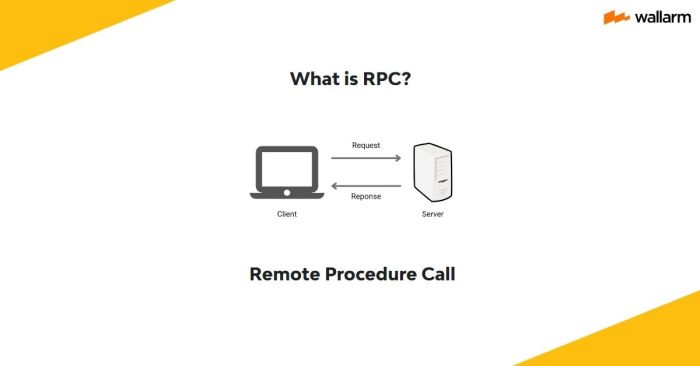
In conclusion, remote call service offers a plethora of opportunities for businesses of all sizes. We’ve explored the various types, features, implementation methods, and critical considerations like pricing and security. From streamlining customer support to enhancing sales interactions, remote call services are reshaping the way businesses operate. As technology continues to evolve, these services will undoubtedly play an increasingly important role in the future of communication.