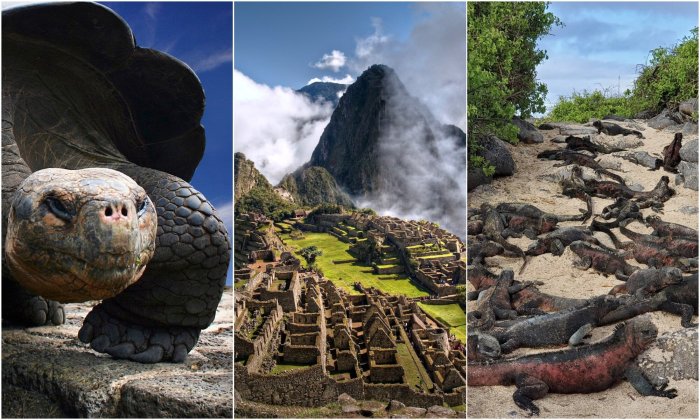
Galapagos Local Tour Operator Your Guide
Galapagos local tour operator offers a unique way to experience the islands. They’re smaller, family-run operations focused on a more intimate connection with the local culture and wildlife. Instead of huge cruise ships, you’ll find smaller boats and personalized experiences. They prioritize sustainable practices and local involvement, often partnering with community members to ensure the islands’ well-being is protected. This allows you to immerse yourself in the beauty of the Galapagos, while supporting the local economy.
This guide explores the world of Galapagos local tour operators, from their defining characteristics to the motivations of tourists who seek these unique experiences. We’ll delve into their services, operational aspects, and the crucial role they play in the island’s economy and sustainability. We’ll examine the best ways to find and book these tours, ensuring you have a truly authentic and memorable Galapagos adventure.
Introduction to Galapagos Local Tour Operators
Galapagos local tour operators are the heart of the visitor experience in the archipelago. They are businesses run by people deeply connected to the islands, providing unique insights and experiences that larger international companies often can’t match. They play a crucial role in preserving the fragile ecosystem by ensuring responsible tourism practices.
Local operators typically have a smaller scale and a strong understanding of the local community and the Galapagos environment. They often focus on smaller groups, tailoring their tours to the specific interests and needs of each visitor. This allows for a more intimate and personalized travel experience.
Definition of a Galapagos Local Tour Operator
A Galapagos local tour operator is a business based within the Galapagos Islands that specializes in arranging and conducting tourism activities. They are typically smaller companies, often run by individuals or families who have a strong understanding of the local environment, culture, and wildlife.
Distinguishing Characteristics of Local Operators
Local Galapagos tour operators are distinguished from international ones by several key characteristics. They tend to be more intimately familiar with the local customs, wildlife habits, and the unique nuances of the islands. This knowledge allows for a more tailored and enriching experience. Local operators often have a vested interest in the conservation of the Galapagos ecosystem, as their livelihoods are directly tied to its health. Furthermore, they typically have a smaller, more personal footprint, allowing for more individualized attention to each visitor. Their knowledge and understanding of the local environment are crucial in creating sustainable and ethical tours.
Typical Services Offered by a Local Operator
Galapagos local tour operators offer a range of services to visitors, including:
- Guided tours: This includes boat trips, hikes, and visits to various locations across the islands, offering in-depth knowledge and insight into the region’s diverse flora and fauna.
- Accommodation arrangements: Local operators can assist in booking accommodations that align with a visitor’s budget and preferences, ensuring comfort and convenience during their stay.
- Transportation: Local operators provide transportation to and from various destinations, including airports and ports, streamlining travel arrangements for tourists.
- Local expertise: Local operators have a deep understanding of the Galapagos’ unique ecosystems, allowing them to offer expert guidance on wildlife spotting and environmental conservation.
- Responsible tourism practices: Local operators often prioritize responsible tourism practices, ensuring their operations minimize environmental impact and support local communities.
Comparison of Local and International Tour Operators
| Feature | Local Operator | International Operator | Key Difference |
|---|---|---|---|
| Scale of Operations | Smaller, often family-run | Larger, multinational corporations | Local operators are typically smaller and more intimate. |
| Local Knowledge | Deep understanding of the islands, wildlife, and culture | May have less direct familiarity with local details | Local operators are rooted in the Galapagos, offering more in-depth knowledge. |
| Environmental Focus | Strong emphasis on responsible tourism and conservation | May prioritize profit margins over sustainability | Local operators are often more invested in the Galapagos’ well-being. |
| Visitor Interaction | More personalized and intimate experience | Potentially larger groups, less individual attention | Local operators focus on a more personalized experience. |
Understanding the Galapagos Tourist Market
Source: explorsierra.com
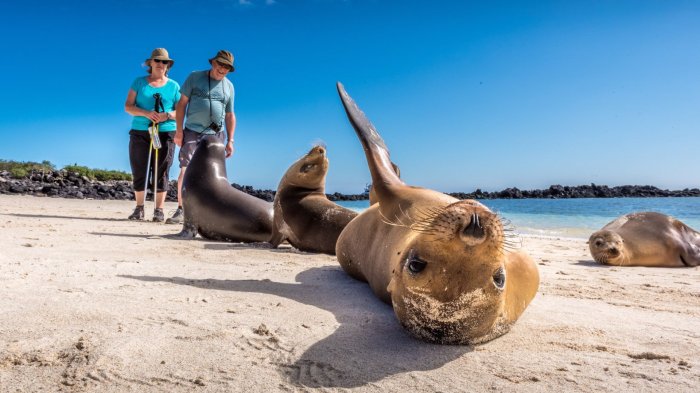
The Galapagos Islands, a unique ecosystem, attract diverse tourists seeking unforgettable experiences. Understanding the motivations and expectations of these visitors is crucial for local tour operators to tailor their services and build strong relationships with guests. Local tours offer a special perspective, often highlighting the cultural significance of the islands and the people who live there.
Local tour operators are well-positioned to cater to a range of tourist preferences, from budget-conscious travelers to those seeking luxurious experiences. By understanding the demographics and motivations of visitors, operators can develop customized packages that meet the specific needs of each group, ensuring a positive and memorable experience.
Demographics of Galapagos Tourists
Galapagos tourists represent a broad spectrum of demographics. Age, family status, and travel style vary significantly, influencing their choices regarding local tours. Income levels also play a significant role in the type of experience they seek. A diverse mix of nationalities further enriches the visitor profile, demanding a flexible and inclusive approach to service.
Motivations and Expectations of Tourists
Tourists often seek authentic experiences, immersing themselves in the local culture and appreciating the natural wonders of the Galapagos. They expect a high standard of service, attentive and knowledgeable guides, and a commitment to environmental responsibility. A desire for personalized experiences, coupled with a desire to contribute to the preservation of the islands, is often a key motivator for choosing local tours. The expectations of tourists include a focus on the preservation of the environment and the support of local communities.
Role of Local Guides
Local guides play a critical role in the tourist experience, acting as cultural ambassadors and expert educators. Their knowledge of the islands, the flora and fauna, and the local customs enhances the visitor’s understanding and appreciation of the Galapagos. Their intimate connection with the local environment and communities is invaluable in offering a unique and meaningful experience. A key aspect of the guide’s role is fostering respect for the local culture and environment.
Different Tourist Profiles
- Nature Enthusiasts: These travelers are deeply interested in the unique wildlife and ecosystems of the Galapagos. They appreciate in-depth knowledge of the species and their habitats. Their expectations include opportunities for close-up encounters with wildlife, guided walks, and learning about the unique characteristics of the islands.
- Adventure Travelers: These individuals prioritize activities that offer excitement and challenge. They are drawn to hiking, kayaking, and snorkeling, seeking thrilling encounters with the Galapagos’ diverse landscape. Their expectations involve active exploration, engaging activities, and a high degree of physical participation.
- Families: Families often seek tours that cater to different ages and interests within the group. They value interactive learning opportunities, safety, and flexibility. Their expectations include child-friendly tours, age-appropriate activities, and the potential for creating lasting family memories.
Illustrative Tourist Profiles, Galapagos local tour operator
| Tourist Type | Interest | Activity | Expectation |
|---|---|---|---|
| Nature Enthusiast | Galapagos wildlife | Guided nature walk, birdwatching | In-depth information on species, and respectful wildlife interaction |
| Adventure Traveler | Exploration and physical activity | Hiking, kayaking, snorkeling | Thrilling experiences, challenging activities, and safety |
| Families | Interactive learning and fun | Guided tours, nature walks, beaches | Child-friendly tours, flexibility, age-appropriate activities |
| Budget-conscious Travelers | Affordable experiences | Local tours, public transportation | Value for money, essential information, practical assistance |
Exploring Local Operator Services: Galapagos Local Tour Operator
Source: cloudinary.com
Local Galapagos tour operators are the heart of the visitor experience, offering a diverse range of services that cater to different traveler preferences and budgets. They play a crucial role in facilitating exploration of the unique ecosystems and wildlife, while contributing to the local economy. Understanding their services, accessibility, and sustainability practices is key to making informed choices for a meaningful trip.
Range of Activities Offered
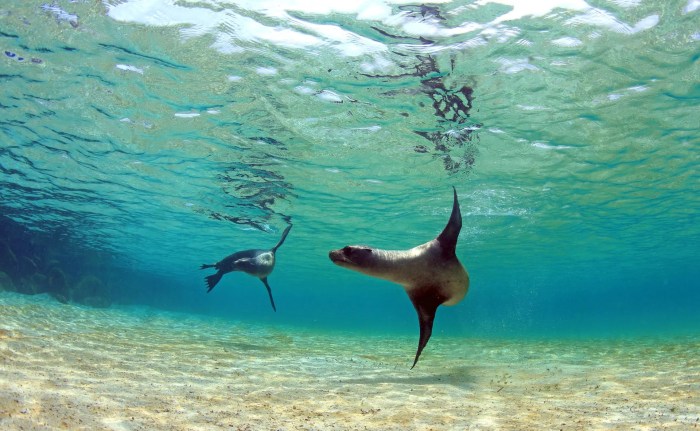
Local operators provide a wide array of activities, from basic boat tours to specialized excursions. These often include snorkeling, diving, kayaking, hiking, and wildlife spotting. Many offer customized itineraries based on guest preferences and interests. Some operators even specialize in specific wildlife, like marine iguanas, sea lions, or particular bird species. This variety ensures a broad appeal, attracting diverse visitors, from experienced adventurers to families seeking relaxed exploration.
Accessibility for Different Traveler Types
Operators adapt their services to cater to various traveler types. For instance, those with mobility limitations may find specialized tours and equipment, such as accessible boats and assistance with hiking trails. Families with young children may benefit from tours with dedicated child-friendly activities or slower paces. Likewise, adventurous travelers will find operators specializing in challenging hikes and expeditions. This adaptability is crucial in ensuring a positive experience for all visitors.
Unique Value Proposition of Local Operators
Local tour operators offer a unique insight into the Galapagos Islands. They possess extensive local knowledge, including the best spots for wildlife sightings, the most scenic hiking trails, and the intricacies of the local culture. This in-depth knowledge enhances the visitor’s understanding and appreciation of the islands’ beauty and biodiversity. Furthermore, local guides often speak multiple languages, further enhancing communication and creating a richer experience.
Sustainability Practices
Sustainable practices are paramount in Galapagos tourism. Local operators are increasingly incorporating eco-conscious approaches into their operations. This involves using environmentally friendly vessels, minimizing waste, supporting local communities, and respecting wildlife habitats. They play a significant role in the preservation of the fragile ecosystem.
Galapagos Tour Types
| Tour Type | Duration | Focus | Key Experience |
|---|---|---|---|
| Snorkeling Tour | Half-day or Full-day | Marine wildlife, coral reefs | Close encounter with sea turtles, sea lions, and colorful fish in pristine waters. |
| Hiking Tour | Full-day or Multi-day | Volcanic landscapes, unique flora and fauna | Exploration of volcanic trails, observing endemic plants and animals in their natural habitat. Often includes opportunities for birdwatching. |
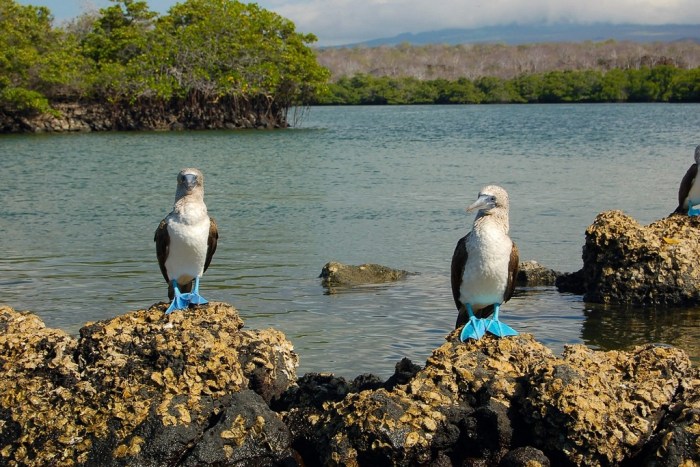
| Wildlife Spotting Tour | Half-day or Full-day | Observing diverse wildlife species | Cruises or land-based excursions to spot unique Galapagos wildlife such as blue-footed boobies, frigatebirds, and marine iguanas. |
| Island Hopping Tour | Multi-day | Exploring various islands | Comprehensive overview of the Galapagos archipelago, covering different ecosystems and species, with opportunities for various activities like hiking, snorkeling, and wildlife viewing. |
Operational Aspects of Local Tour Operators
Local Galapagos tour operators are the backbone of the tourism industry, playing a crucial role in showcasing the unique beauty and biodiversity of the archipelago. Understanding their operational challenges and innovative solutions is key to appreciating their contributions and the importance of supporting them.
Operators face a range of logistical hurdles. From maintaining their boats and ensuring safety to training staff and obtaining necessary permits, the challenges are multifaceted and demanding. Innovative approaches to these challenges often lead to improved experiences for tourists and better outcomes for the local economy.
Logistical Challenges Faced by Local Operators
Navigating the Galapagos’ unique environment and regulatory framework presents significant logistical hurdles. Maintaining the fleet of boats in top condition, ensuring crew safety, and providing exceptional service to tourists are key operational concerns. Maintaining compliance with the strict environmental regulations of the Galapagos National Park is paramount. Obtaining permits for various activities, including research and visitor transport, requires extensive documentation and adherence to specific timelines.
Innovative Solutions Employed by Local Operators
Operators are continually finding creative ways to overcome challenges. Investing in advanced boat maintenance and safety protocols, for example, can minimize disruptions and ensure visitor safety. Partnering with local universities or organizations for crew training can provide skilled and knowledgeable guides. Furthermore, developing innovative tour itineraries that cater to diverse interests while adhering to strict environmental guidelines can attract a wider range of tourists. Many operators utilize technology for improved communication, scheduling, and resource management.
Role of Local Communities in Supporting and Benefiting from Tours
Local communities play a vital role in the success of Galapagos tourism. Operators often hire local guides and staff, providing employment opportunities and fostering a sense of ownership in the industry. By directly involving local people in the tourism process, operators contribute to the community’s economic well-being. Sustainable tourism initiatives often involve collaborations with local communities, ensuring benefits are shared and the environment is protected.
Ensuring Ethical and Sustainable Tourism Practices
Ethical and sustainable practices are paramount for the long-term health of the Galapagos ecosystem and local communities. Operators prioritize minimizing their environmental impact by utilizing eco-friendly practices. For example, limiting waste generation, conserving water, and reducing energy consumption are integral parts of their operations. Transparency and accountability are key elements in ensuring ethical conduct. Many operators are committed to minimizing their impact on the fragile ecosystems of the Galapagos.
Contribution to the Local Economy
Local operators significantly contribute to the Galapagos economy. They provide employment for islanders, stimulate local businesses, and support the preservation of the archipelago’s natural heritage. The revenues generated from tourism activities often directly benefit local communities through investment in infrastructure and community development initiatives. The impact on the local economy is substantial, providing opportunities for growth and prosperity.
Types of Permits and Regulations Needed for Tours
| Permit Type | Description | Required Documents | Authority |
|---|---|---|---|
| Visitor Transport Permit | Allows the transport of tourists within the Galapagos National Park. | Vessel registration, crew certifications, itinerary, insurance documents | Galapagos National Park |
| Research Permit | Enables scientific research within the Galapagos National Park. | Research proposal, methodology, institutional affiliation, and environmental impact assessment | Galapagos National Park and the respective scientific organizations |
| Environmental Impact Assessment (EIA) Permit | Required for projects that may have a potential impact on the environment. | Project description, environmental baseline data, mitigation measures | Galapagos National Park |
| Special Activity Permit | Covers specific activities like snorkeling, diving, or wildlife observation. | Specific guidelines from the Galapagos National Park | Galapagos National Park |
Promoting and Marketing Local Tour Operators
Getting the word out about your Galapagos tours is crucial for success. Local operators need savvy marketing strategies to attract the right clients and thrive in a competitive market. This involves understanding your ideal customer and crafting compelling messages across multiple channels.
Local tour operators must leverage a multifaceted approach to promote their services, targeting specific demographics and highlighting unique selling points. This requires an in-depth understanding of the Galapagos tourist market, including visitor preferences, travel styles, and budget considerations.
Best Channels for Marketing Galapagos Local Tours
Effective marketing channels need to be selected strategically. This means focusing on channels where your target audience is most active. Word-of-mouth referrals and positive reviews can be powerful tools, but a comprehensive online presence is essential.
- Social Media Marketing: Platforms like Instagram, Facebook, and even TikTok are excellent for showcasing the beauty of the Galapagos and engaging potential clients. Visual content, like stunning photos and videos, is key. This can also include behind-the-scenes glimpses of the operator’s work, demonstrating their commitment to sustainability and expertise. Targeted ads on these platforms can help reach specific demographics, such as adventure travelers or families.
- Travel Blogs and Websites: Partnering with travel bloggers and websites can significantly increase visibility. These platforms often feature destinations and experiences, and collaborations can provide a unique opportunity to reach a wider audience. This often involves offering incentives and exclusive deals to travel bloggers, who can provide valuable reviews and recommendations.
- Online Travel Agencies (OTAs): Listing on platforms like Booking.com, Viator, or Expedia exposes tours to a vast pool of potential customers. However, operators need to be mindful of commission structures and ensure their profiles are detailed and engaging, with high-quality imagery and clear descriptions. This often involves strategic pricing and careful management of online reviews.
- Direct Email Marketing: Building an email list allows for targeted communication with potential clients. This includes newsletters with exclusive offers, updates on new tours, and promotions.
- Print and Local Partnerships: Consider Galapagos-specific travel magazines and brochures. Collaborating with local tourism boards and hotels can help expand reach to potential clients. This involves developing partnerships with tour operators, travel agencies, and other local businesses to reach a broader audience.
Strategies for Reaching the Target Audience
Understanding your target audience is paramount. This involves knowing their interests, preferences, and expectations. Tailoring marketing messages to these characteristics is critical for successful engagement.
- Niche Marketing: Targeting specific interests, like photography, wildlife viewing, or diving, can attract travelers who are highly interested in those activities. This approach requires detailed market research to understand what interests are most prevalent among visitors to the Galapagos.
- Highlighting Unique Selling Points (USPs): Every operator has a unique selling point. Whether it’s a focus on sustainability, small group sizes, or expert guides, emphasizing these aspects can attract clients seeking those specific experiences.
- Value Proposition: Clearly outlining the benefits of choosing your tour operator can be a powerful tool. This includes factors such as price, quality of service, and the unique experience offered. This often involves detailed descriptions of the tours and the services included.
- Building Relationships: Networking with other tour operators, travel agents, and potential clients can help build brand awareness and trust. This can include attending travel trade shows and establishing connections with local businesses.
Examples of Successful Marketing Campaigns
Several local operators have implemented successful marketing campaigns. These often include targeted social media campaigns, collaborations with travel bloggers, and special offers designed to attract specific demographics. Successful campaigns often involve detailed tracking of results and adjustments to strategy based on performance.
- Example 1: A local operator focused on small-group tours created engaging Instagram posts showcasing wildlife encounters, attracting nature enthusiasts. They collaborated with a travel blog focusing on sustainable travel.
- Example 2: Another operator used targeted Facebook ads to reach potential clients interested in luxury Galapagos experiences, highlighting exclusive accommodations and high-end amenities. This involved detailed demographic targeting to ensure the ads reached the desired audience.
Marketing Channel Comparison
A clear understanding of the costs, reach, and engagement of different marketing channels is vital. This allows for informed decisions about where to allocate resources.
| Channel | Reach | Cost | Engagement |
|---|---|---|---|
| Social Media | High | Variable | High |
| Travel Blogs/Websites | Medium | Variable | High |
| OTAs | High | Commission-based | Medium |
| Email Marketing | Medium | Low | Medium |
| Print/Local Partnerships | Low-Medium | Variable | Low-Medium |
Importance of Online Presence and Digital Marketing
A strong online presence is critical for Galapagos local tour operators. It provides a platform to showcase tours, build trust, and manage bookings. Websites and social media platforms serve as virtual storefronts, providing a constant stream of information about the tours.
- Website Functionality: Websites should be user-friendly, providing detailed information about tours, booking options, and contact details. This includes clear descriptions of tours, prices, inclusions, and availability. Easy booking capabilities are essential for smooth transactions.
- Optimization: Optimizing website content for search engines is crucial for visibility. This involves research and relevant content creation to rank higher in search results.
- Reviews and Testimonials: Positive reviews and testimonials from previous clients build trust and credibility. Actively seeking and showcasing reviews on websites and social media is important.
Compelling Descriptions for Local Tour Operators
Compelling descriptions are essential to showcase the unique offerings of your tours. These should highlight the value proposition, target the right audience, and create a sense of excitement and anticipation.
- Example 1: “Experience the raw beauty of the Galapagos with our intimate, small-group tours. Expert guides will lead you on unforgettable wildlife encounters. Discover the unique ecosystems and pristine landscapes. Book your adventure today!”
- Example 2: “Uncover the wonders of the Galapagos Islands on our bespoke luxury tours. Indulge in exquisite accommodations, exclusive access points, and personalized attention. Create lasting memories with unparalleled experiences. Book your unforgettable journey now!”
Illustrating the Galapagos Experience
Source: com.ec
Stepping into the Galapagos, you’re stepping into a world where nature’s artistry meets the warmth of local culture. Local tour operators are the key to unlocking this unique experience, allowing you to interact with both the incredible wildlife and the passionate people who call these islands home.
A local tour isn’t just about ticking off species on a list; it’s about immersion. It’s about feeling the wind on your face as you cruise through the archipelago, about seeing the magic of a sea lion pup frolicking on a volcanic shore, and about connecting with a guide who shares their deep understanding of this fragile ecosystem.
A Typical Day on a Galapagos Local Tour
A typical day on a Galapagos local tour begins with an early morning departure from your hotel or a designated meeting point. You’ll be greeted by a knowledgeable and enthusiastic local guide who’s intimately familiar with the islands’ diverse flora and fauna. The day will be filled with opportunities to observe unique wildlife, from playful sea lions to majestic marine iguanas. You’ll have the chance to explore hidden coves and rocky beaches, often reaching remote locations inaccessible to larger tour groups. The tour will incorporate local perspectives, allowing you to understand the island’s history and culture. Lunch is usually provided, with options incorporating local ingredients. Evening may include relaxing on board or further exploration, depending on the tour specifics.
A Galapagos Island Landscape from a Local’s Perspective
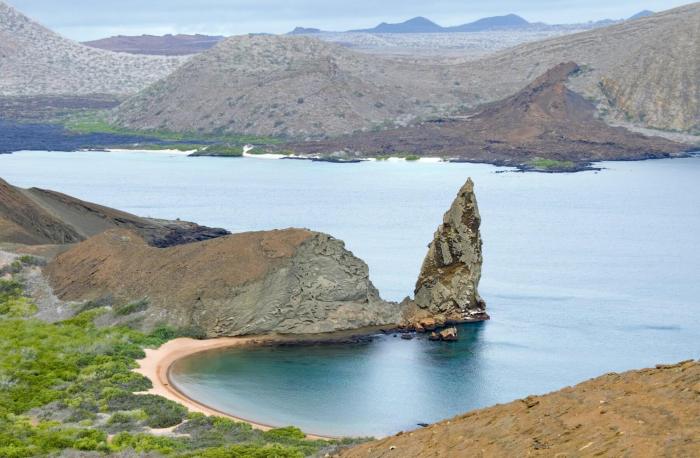
Imagine the volcanic slopes of Isabela Island, their rugged peaks piercing the sky. A local tour will take you to the very heart of these landscapes, where you’ll encounter diverse ecosystems. The thick, lush vegetation clinging to the slopes, the dramatic contrasts of black sand beaches meeting turquoise waters, the towering lava formations—these are all part of the stunning tapestry of the Galapagos. A local guide will highlight the unique characteristics of each island and the adaptation of local wildlife to these extraordinary environments. You’ll understand the impact of volcanic activity and the intricate web of life that thrives amidst this geological spectacle.
Galapagos Endemic Animal and Conservation
The Galapagos marine iguana, a unique lizard adapted to the marine environment, is a prime example of Galapagos biodiversity. These reptiles, found nowhere else on Earth, are often the focus of local tour operators’ conservation efforts. Local guides will emphasize the critical role these animals play in the delicate balance of the Galapagos ecosystem. Tours will often visit nesting sites, highlighting the importance of protecting these fragile habitats. Local operators actively participate in conservation initiatives, supporting research projects and educating visitors about the threats these species face, such as introduced predators and habitat loss. They might even provide opportunities for observing the work of conservationists directly.
A Memorable Interaction with a Local Guide
A truly memorable interaction might involve a local guide pointing out a tiny, elusive flightless cormorant on a secluded islet. The guide’s intimate knowledge of the species’ habits and their connection to the island’s history would bring the creature to life. Sharing anecdotes about their family’s connection to the Galapagos, their personal experiences in the islands, and their dedication to environmental conservation creates a strong bond between the visitor and the local community. This personal touch is a defining aspect of the Galapagos experience, fostering a deeper understanding of the environment and its people.
Final Thoughts
Source: geotoursbanios.com
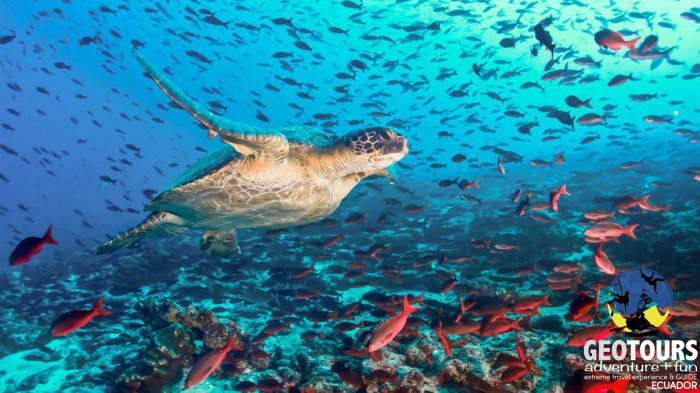
In conclusion, Galapagos local tour operators provide a vital link between tourists and the islands’ unique ecosystem and culture. They offer a more personalized, sustainable, and often more affordable alternative to larger international operators. By supporting local businesses, you contribute directly to the well-being of the Galapagos community, ensuring that this incredible destination continues to thrive for future generations. Remember to research, choose reputable operators, and appreciate the unique value they offer in preserving this extraordinary natural wonder.