Best Luxury Inca Trail Tours Your Epic Adventure
Best luxury Inca Trail tours sets the stage for an incredible journey. Imagine breathtaking Andean landscapes, luxurious accommodations, and expert guides leading you on a truly unforgettable trek. This overview covers everything from the historical significance of the Inca Trail to the logistics of getting there, plus comparing different options, lodges, and tour operators. We’ll also dive into responsible tourism and eco-friendly choices. Get ready to experience the magic of the Inca Trail in unparalleled comfort and style.
This guide explores the various options available for luxury Inca Trail treks. From the challenging but rewarding classic route to shorter, more manageable options, we’ll examine different levels of difficulty, durations, and costs. We’ll also highlight the luxurious accommodations, comparing amenities, locations, and prices of top lodges along the trail. Experienced guides, porters, and support services will be discussed. A detailed itinerary and a breakdown of activities, including optional excursions, will help you plan your ideal trek. We’ll cover choosing a reputable tour operator, safety measures, necessary permits, and crucial travel logistics from Cusco to the trailhead. Crucially, we’ll explore the importance of environmental sustainability and responsible tourism in preserving this incredible historical site.
Introduction to Inca Trail Tours
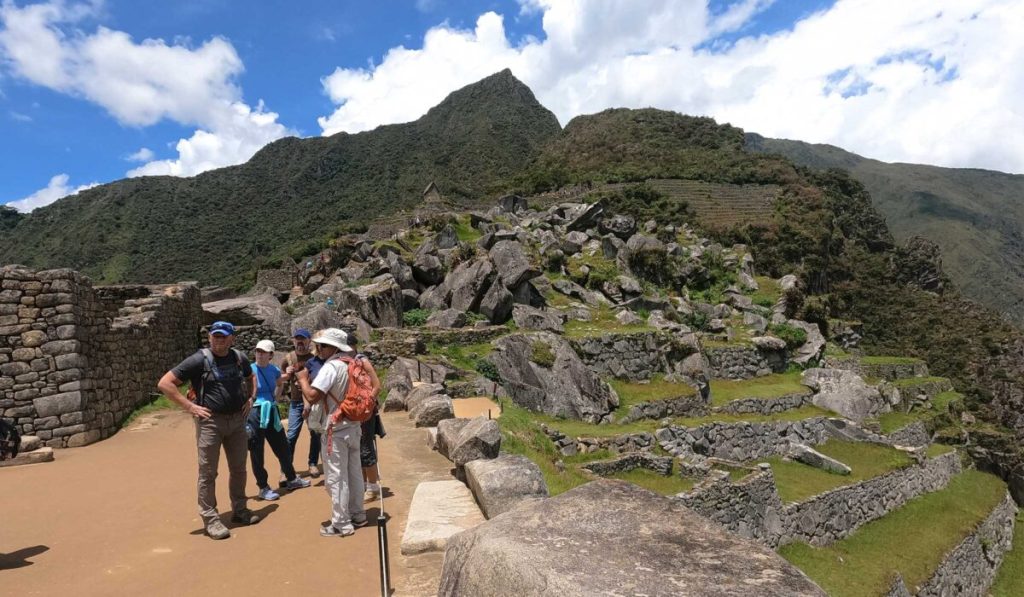
The Inca Trail, a network of ancient Inca paths winding through the Andes Mountains, holds immense historical significance. It reveals the ingenuity and mastery of the Inca civilization in navigating their challenging terrain. Today, it’s a popular trekking destination, attracting adventurers seeking a unique cultural experience.
The Inca Trail offers a variety of options catering to different levels of experience and interests. From the iconic Classic Inca Trail to shorter and more accessible alternatives, trekkers can choose a route that aligns with their physical capabilities and desired immersion in the historical landscape.
Inca Trail Options
The Inca Trail isn’t a single route; it encompasses several options catering to diverse needs. These options vary in difficulty, duration, and cost, allowing travelers to choose an experience that best suits their goals. The most popular option is the Classic Inca Trail, followed by shorter, more accessible routes.
- Classic Inca Trail: This is the most renowned option, offering a full immersion in the Inca heritage, traversing through stunning landscapes and ancient ruins. It’s a moderate to challenging trek, requiring physical fitness and acclimatization to the altitude. It typically lasts 4-5 days, including travel time to and from the trailhead.
- Shorter Inca Trails: These alternatives, such as the Inca Jungle Trek or shorter sections of the Classic Trail, are designed for those seeking a shorter experience or those with less strenuous schedules. These trails usually take 2-3 days and offer a condensed yet captivating glimpse of the Inca world.
- Multi-day Inca Trails: These options extend beyond the standard Classic Trail, often incorporating additional cultural sites and longer treks. These trails can be tailored to encompass a variety of themes, ranging from cultural immersion to wildlife observation. These often exceed 5 days.
Challenges and Rewards
Trekking the Inca Trail presents both challenges and rewards. The trek involves significant physical exertion, with high altitudes and varying weather conditions. Acclimatization to the altitude is crucial to avoid altitude sickness. Proper planning and preparation are essential.
However, the rewards are substantial. The stunning landscapes, the rich history, and the unique cultural experience make the Inca Trail a truly memorable adventure. The breathtaking Andean scenery, encounters with local communities, and the sense of accomplishment at the summit are unparalleled.
Responsible Tourism
Responsible tourism is paramount when visiting the Inca Trail. Overcrowding can negatively impact the delicate ecosystem. Supporting local communities and respecting Inca heritage are essential aspects of responsible travel. Minimizing environmental impact through proper waste disposal and responsible trekking practices is crucial.
Inca Trail Comparison Table
| Option | Difficulty | Duration | Cost (USD) |
|---|---|---|---|
| Classic Inca Trail | Moderate | 4-5 days | $600-1200 |
| Short Inca Trail | Easy to Moderate | 2-3 days | $400-800 |
| Multi-day Inca Trail | Moderate to Challenging | 5+ days | $800-1500+ |
Note: Costs are estimates and may vary depending on the season, accommodations, and chosen operator.
Luxury Accommodation and Amenities
Stepping onto the Inca Trail is a transformative experience, but the luxury lodges along the route elevate it to another level. These aren’t just overnight stops; they’re curated experiences designed to pamper and inspire. Imagine waking up to breathtaking mountain views from a cozy, well-appointed room, indulging in exquisite cuisine, and enjoying top-notch amenities.
These lodges offer a significant upgrade from basic camping or simple guesthouses, providing a level of comfort and service that reflects the premium price. The accommodations are carefully designed to blend with the surrounding environment, offering stunning views and an authentic sense of place while still providing modern conveniences.
Luxury Lodge Options
Luxury Inca Trail lodges cater to a variety of preferences and budgets. You’ll find options ranging from intimate boutique hotels to larger, more expansive resorts. Each lodge offers a unique experience, tailored to provide exceptional comfort and service.
Accommodation Features
The lodges provide a range of luxurious accommodations, designed with comfort in mind. Expect well-appointed rooms, often with private balconies or terraces offering spectacular views. High-quality bedding, luxurious linens, and thoughtful interior design are common features. Many lodges also feature cozy sitting areas for relaxing and taking in the scenery.
Amenities and Services
Beyond the accommodations themselves, luxury lodges on the Inca Trail offer a wide array of amenities. These include hot springs, spa treatments, and gourmet dining experiences. Dedicated staff are on hand to provide assistance with luggage, arrange tours, and ensure a smooth and enjoyable experience. Wi-Fi connectivity and comfortable common areas further enhance the experience.
Dining Experiences
Culinary excellence is a key component of a luxury Inca Trail experience. Lodges feature gourmet dining options, highlighting local ingredients and international flavors. Expect carefully crafted menus, featuring dishes prepared by experienced chefs. Many lodges offer specialized dietary options, ensuring every guest has a delightful dining experience.
Comparison of Luxury Lodges
The level of comfort and experience can vary significantly between lodges. Factors like the altitude of the location, the size of the lodge, and the specific amenities provided play a crucial role in differentiating the experiences. Some lodges may focus on a more intimate, personalized experience, while others offer a more extensive array of activities and facilities.
Luxury Lodge Details
| Lodges | Location | Amenities | Price |
|---|---|---|---|
| Luxury Lodge A | High Altitude, close to the starting point | Hot Springs, Gourmet Dining, Private balconies, 24-hour service | $350-500 per night |
| Luxury Lodge B | Mid-altitude, nestled in a valley | Spa treatments, multiple dining options, Wi-Fi, comfortable common areas | $250-400 per night |
| Luxury Lodge C | Lower altitude, near the end of the trail | Gourmet Dining, comfortable rooms, Wi-Fi, hot showers | $200-350 per night |
Guiding and Support Services
Your Inca Trail experience hinges heavily on the expertise and dedication of your guides and support staff. They’re the unsung heroes, ensuring a smooth and safe journey. From navigating the challenging terrain to attending to your every need, their skills and experience make all the difference.
Experienced Inca Trail Guides
Experienced Inca Trail guides are crucial for a positive trek. They’re intimately familiar with the trails, the local flora and fauna, and the cultural nuances of the region. A skilled guide can point out hidden gems, offer insights into Inca history, and ensure your safety throughout the journey. They act as your local expert, making the trek more enriching and memorable.
Essential Skills and Expertise of Inca Trail Guides
A top-notch Inca Trail guide possesses a diverse skill set. This includes extensive knowledge of the Inca Trail’s routes, elevation changes, and potential hazards. They must be adept at navigating challenging terrain, understanding first aid protocols, and communicating effectively in various situations. Beyond practical skills, strong leadership and interpersonal skills are essential to ensure the comfort and safety of all trekkers. A skilled guide can anticipate potential issues and respond appropriately, maintaining a positive and encouraging atmosphere throughout the trek. Communication, both verbal and non-verbal, is paramount. A guide should be adept at communicating with the entire group and handling potential conflicts with diplomacy and understanding.
Importance of Porters
Porters play a vital role in making the Inca Trail experience smooth. They are responsible for carrying heavy backpacks, equipment, and supplies for trekkers, enabling you to focus on the journey. Their physical strength, endurance, and meticulous attention to detail are crucial in ensuring a seamless and comfortable trek. Their experience on the trails is critical for navigating safely and efficiently. This allows you to focus on the journey and not worry about logistics. Porters are an integral part of the support system.
Support Services Offered
Numerous support services are available to enhance your Inca Trail experience. These include, but aren’t limited to, medical assistance, gear transport, and emergency evacuation procedures. Medical kits and trained personnel are available to address minor injuries or illnesses. Professional porters are employed to carry gear and provisions, alleviating the burden on trekkers. Emergency evacuation plans are in place to handle unforeseen circumstances. These services ensure that your trek is not just enjoyable but also safe and secure. This includes ensuring adequate supplies, equipment, and emergency procedures are in place.
Examples of Different Support Services
Medical assistance typically includes a first-aid kit, a trained medic, and arrangements for emergency evacuation if needed. This ensures that any medical needs are met promptly and effectively. Gear transport, managed by experienced porters, relieves trekkers of the burden of carrying heavy backpacks, enabling a more comfortable and enjoyable experience. The porters are crucial for transporting the supplies and equipment necessary for the trek, such as tents, food, and water. This includes everything from tents and sleeping bags to food and water. Emergency evacuation plans are in place for serious medical emergencies or unforeseen circumstances.
Guiding Services Costs
| Guiding Services | Description | Cost |
|---|---|---|
| Experienced Guide | Expert knowledge of the trail, excellent communication, first aid skills, and experience with navigating challenging terrain. | $500-1000 per person |
Itinerary and Activities
Embarking on the Inca Trail is more than just trekking; it’s a journey into the heart of a rich culture and history. Luxury Inca Trail tours prioritize a seamless blend of physical adventure, cultural immersion, and exceptional comfort. This section details the typical daily itineraries, a sample itinerary, optional excursions, and the integration of cultural experiences throughout the journey.
Luxury Inca Trail tours are meticulously crafted to cater to the needs of discerning travelers, ensuring a memorable experience. The itineraries are designed to optimize the time spent on the trail, maximizing the opportunities to connect with the breathtaking landscapes and immerse yourselves in the fascinating culture.
Typical Daily Itineraries, Best luxury Inca Trail tours
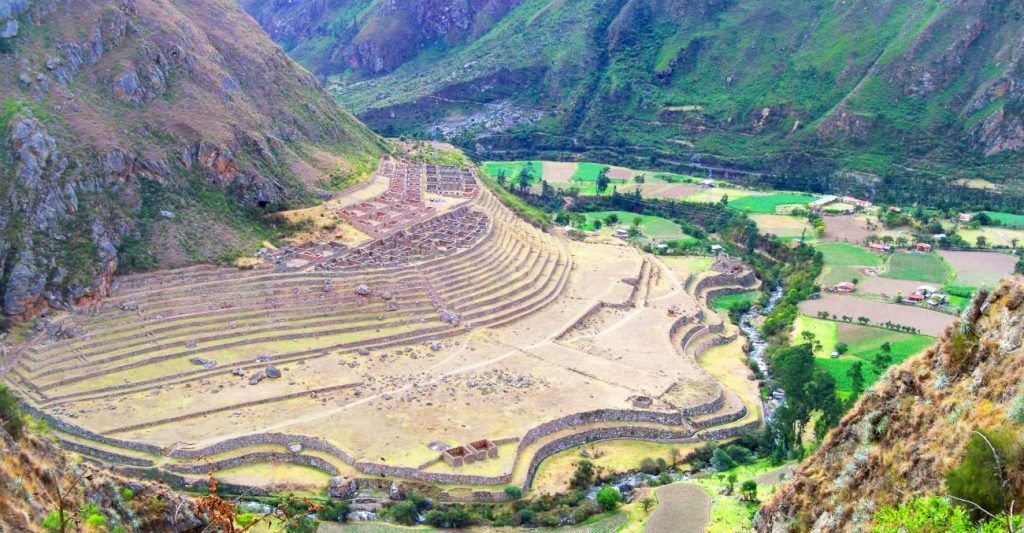
A typical day on a luxury Inca Trail tour unfolds with a focus on balance between activity and relaxation. Early mornings often involve ascents through stunning Andean scenery. This is followed by stops for breathtaking views and opportunities to learn about the local flora and fauna. Lunch is taken in picturesque settings, providing a pause from the trek and offering a chance to savor the ambiance. The afternoon continues with further trekking, often culminating in the arrival at a meticulously chosen campsite. Evening activities may include cultural presentations, discussions with local guides, or simply relaxing in the company of fellow travelers.
Sample Itinerary (4-Day Luxury Inca Trail Trek)
This example showcases a possible itinerary for a 4-day luxury Inca Trail trek.
- Day 1: The journey begins with a scenic transfer from your hotel to the starting point of the trek. You’ll enjoy a well-paced initial ascent, with stops to appreciate the breathtaking landscapes and learn about the historical significance of the region. Luxury accommodations await at a well-appointed campsite, with comfortable tents, private bathrooms, and hot showers. A welcome dinner with traditional Peruvian cuisine will be enjoyed, setting the stage for an unforgettable experience.
- Day 2: This day features a moderately challenging trek through high-altitude Andean terrain. Stop at viewpoints offering spectacular panoramic vistas. The afternoon includes exploration of a significant Inca site, and a rewarding lunch break with an opportunity to enjoy local produce. You’ll conclude the day at another campsite, ensuring a comfortable stay in a stunning location.
- Day 3: A significant portion of the trek will be dedicated to the ascent to Machu Picchu. The itinerary is designed to maintain a steady pace, with ample time for rest and refreshment. This day offers opportunities to admire the breathtaking landscapes, learn about the unique flora and fauna, and experience the majestic beauty of the Andes.
- Day 4: The final day of the trek culminates in the breathtaking arrival at Machu Picchu. You will have ample time to explore the lost city at your own pace, guided by expert historians. After the exploration, you will be transferred back to the city, offering a chance to reflect on the remarkable journey.
Optional Activities and Excursions
Beyond the core trek, luxury Inca Trail tours often incorporate optional excursions. These might include visits to nearby villages, opportunities to interact with local communities, or specialized workshops focusing on the Inca culture. An example might be a visit to a local artisan’s workshop to learn about traditional weaving techniques.
Cultural Experiences
Incorporating cultural experiences is a cornerstone of luxury Inca Trail tours. This is done through various means, including knowledgeable guides who offer insights into Inca history, traditions, and daily life. The itinerary also incorporates cultural performances, showcasing traditional music and dance. Additionally, meals often feature authentic Peruvian cuisine, providing a deeper understanding of the local culinary traditions.
Detailed Timeline of Activities (Example)
| Time | Activity | Location |
|---|---|---|
| 6:00 AM | Wake up and breakfast | Campsite |
| 7:00 AM | Guided trek | Andean trails |
| 12:00 PM | Lunch break | Scenic overlook |
| 1:00 PM | Trekking to the next campsite | Andean trails |
| 6:00 PM | Dinner and cultural presentation | Campsite |
Essential Considerations for Choosing a Tour
Choosing the right Inca Trail tour is crucial for a memorable and safe experience. It’s not just about the scenery; it’s about meticulous planning and selecting a reputable operator. Thorough research and attention to detail are paramount for a smooth and enjoyable trek.
Key Factors for Selecting a Tour Operator
Selecting a tour operator involves more than just pricing. Experience, safety protocols, and reputation are essential elements to consider. A good operator will have a proven track record, prioritize safety, and maintain a strong online presence. Consider their local knowledge and familiarity with the Inca Trail.
- Experience: Look for tour operators with a substantial history. Operators with years of experience in guiding trekkers through the Inca Trail often possess a deeper understanding of the terrain, potential challenges, and the best routes. They are better equipped to handle unexpected situations and ensure a smooth trek. 10+ years of experience is a good benchmark. Long-standing operators are often more reliable and have established emergency protocols.
- Safety Measures: A crucial aspect of any trek is safety. Inquire about the operator’s safety protocols, including first aid training for guides, emergency procedures, and the number of guides per group. Operators with robust safety measures in place, like carrying appropriate emergency equipment and having established communication channels, are more likely to ensure a safe and secure journey. A well-defined evacuation plan is also critical.
- Reputation and Reviews: Online reviews are invaluable resources. Examine reviews from previous trekkers on platforms like TripAdvisor, or the operator’s website. Look for consistent positive feedback regarding the quality of guides, accommodation, and overall service. Read reviews carefully, paying attention to both positive and negative comments to get a balanced perspective. Look for mentions of timely updates and transparency from the operator.
Permits and Necessary Travel Documents
Obtaining the necessary permits and travel documents is essential for a legal and smooth trek. These are not just formalities; they ensure your trek complies with regulations and enhances the overall experience.
- Permits: The Inca Trail requires permits. These permits are essential for accessing the trail and are regulated. The process for acquiring permits can vary; ensure you understand the procedures and deadlines for securing your permit.
- Travel Documents: Ensure your passport and other travel documents are valid and up-to-date. Verify any visa requirements for Peru, and have copies of essential documents, including your passport and itinerary, readily available.
Comparative Analysis of Tour Operators
Evaluating different tour operators allows you to make an informed decision. Consider the following factors when comparing operators.
| Tour Operator | Experience | Safety Measures | Reviews |
|---|---|---|---|
| Operator A | 10+ Years | High | Positive |
| Operator B | 5 Years | Moderate | Mixed |
| Operator C | 2 Years | Low | Negative |
Note: This table is a simplified example. A more comprehensive comparison would include additional factors like pricing, accommodation details, and specific itinerary elements. Research and compare thoroughly before making your decision.
Travel and Logistics
Getting to the Inca Trail involves careful planning and execution. From booking your tour to the moment you step onto the trail, logistics are key to a smooth and enjoyable experience. Understanding the transportation options, altitude acclimatization strategies, and essential gear will ensure a fantastic trek.
The journey to the Inca Trail’s starting point is an important part of the overall adventure. It requires forethought and attention to detail, from arranging transport to preparing for the altitude changes. Proper planning is essential to make the most of your time and energy on the trail itself.
Transportation Options from Cusco
Transportation from Cusco to the trailhead varies depending on your tour package. Generally, a private vehicle or a shared minivan is used. Private vehicles offer more comfort and flexibility, allowing for stops for acclimatization. Shared vans are more budget-friendly, but schedule adherence might vary. It’s vital to clarify the transport method with your tour operator in advance.
Necessary Travel Preparations
Careful preparation for the trek is critical to your success. This includes clothing appropriate for the changing weather conditions and altitudes, including layers for warmth and rain protection. Appropriate hiking boots, sturdy enough for uneven terrain, are also essential. You’ll need to pack light, bringing only necessary gear and supplies. Altitude sickness is a potential concern, and proper acclimatization is vital.
- Clothing: Pack layers of clothing for varying temperatures. Include moisture-wicking base layers, fleece jackets, waterproof rain gear, and warm sweaters. Hiking pants or shorts, and a hat are also good to have. Don’t forget comfortable walking shoes, not sneakers, but hiking boots with good ankle support.
- Gear: A backpack, water bottles, sunscreen, sunglasses, a hat, and a first-aid kit are necessary. A good quality day pack is crucial to store your necessities for each day of the trek.
- Altitude Sickness: Acclimatize to the altitude before starting your trek. Stay hydrated and eat light meals. Consult your doctor if you have any pre-existing health conditions. Listen to your body and take rest days if needed.
Managing Altitude Changes
The Inca Trail ascends to high altitudes. A gradual acclimatization process is crucial to minimize the risk of altitude sickness. Spending a few days in Cusco before the trek is highly recommended. Resting and avoiding strenuous activities at higher altitudes can significantly help manage the effects of altitude changes. It is crucial to listen to your body and not push yourself too hard.
Detailed Travel Logistics Plan
This plan articulates the key steps in organizing your Inca Trail journey:
| Step | Action | Timeline |
|---|---|---|
| 1 | Book your Inca Trail tour | At least 3 months in advance. |
| 2 | Confirm accommodation in Cusco | Simultaneously or slightly after your booking. |
| 3 | Pack your gear and clothing | A week or two before the trip. |
| 4 | Acclimatize to the altitude | Days or weeks leading up to the trek. |
| 5 | Meet with your tour guide | A day or two before the trek. |
| 6 | Transportation to the trailhead | Morning of the trek. |
| 7 | Start the trek | Morning of the trek. |
A well-planned journey, encompassing transportation, acclimatization, and proper gear, will ensure a safer and more enjoyable experience.
Environmental Impact and Sustainability: Best Luxury Inca Trail Tours
The Inca Trail, a breathtaking journey through ancient landscapes, is vulnerable to the impact of tourism. Responsible travel is crucial to preserving this historical and natural wonder for future generations. Understanding the environmental impact and supporting eco-friendly operators are vital for ensuring the trail’s longevity.
Eco-tourism plays a significant role in balancing the needs of visitors with the preservation of the environment. It’s not just about minimizing harm; it’s about actively contributing to the protection of the fragile ecosystem and cultural heritage along the trail.
Environmental Impact of Trekking the Inca Trail
The Inca Trail, with its unique ecosystem and historical significance, faces pressure from the growing number of trekkers. Overcrowding can damage fragile vegetation, increase erosion, and disturb wildlife. Improper waste disposal and inadequate water management can contaminate the environment, impacting the local communities and the delicate balance of the region. Increased foot traffic also puts stress on the trail itself, potentially leading to erosion and damage to the ancient stonework.
Importance of Eco-Friendly Tour Operators
Eco-friendly tour operators are essential for minimizing the environmental footprint of Inca Trail treks. They prioritize sustainability by implementing practices that protect the environment and local communities. These operators understand the delicate balance of the region and strive to maintain it for future generations.
Measures Taken to Minimize Environmental Impact
Various measures are taken to lessen the environmental impact of Inca Trail treks. These include implementing strict waste management protocols, promoting responsible water usage, and employing trained guides who understand and respect the environment. Eco-conscious operators also often partner with local communities to ensure the preservation of traditional practices and livelihoods. Furthermore, limiting the number of trekkers per day and carefully controlling access to sensitive areas helps protect the fragile ecosystem.
Role of Responsible Tourism in Preserving the Inca Trail
Responsible tourism is critical for the long-term preservation of the Inca Trail. By supporting eco-friendly tour operators and adhering to their guidelines, trekkers contribute to the protection of the environment and the cultural heritage of the region. Responsible tourism also empowers local communities by creating economic opportunities that don’t compromise the integrity of the trail or surrounding ecosystems.
Eco-Friendly Tour Operators and Their Sustainable Practices
| Tour Operator | Sustainable Practices | Environmental Impact |
|---|---|---|
| Operator A | Waste reduction initiatives, local guides, minimal packaging | Low |
| Operator B | Low Waste, Local Sourcing, Water Conservation Measures | Minimal |
| Operator C | Carbon offsetting, community engagement, and fair trade practices | Very Low |
This table highlights some key examples of eco-friendly tour operators and their sustainability efforts. Look for operators actively engaging with local communities, reducing their environmental impact, and promoting responsible tourism.
Conclusion
Source: incatrailexpeditions.com
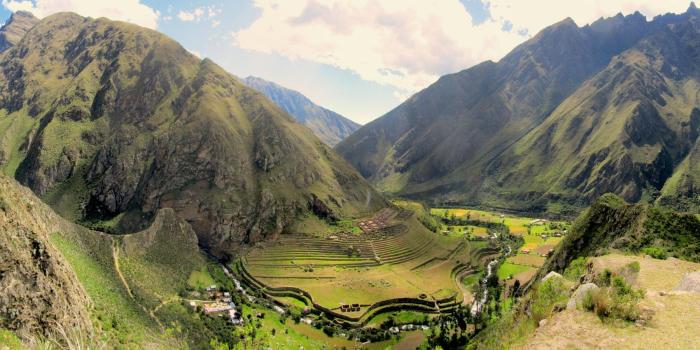
In conclusion, experiencing the Inca Trail with luxury in mind offers a unique and enriching adventure. This guide provides a comprehensive overview, allowing you to make informed decisions about your trek. From comparing different trail options and lodging choices to understanding the importance of responsible tourism, we’ve covered all the key elements. By understanding the logistics, activities, and essential considerations, you can plan your dream luxury Inca Trail adventure, ensuring a safe, memorable, and environmentally conscious experience. Choose your trek wisely and get ready for an unforgettable journey!